
Introduction
Cholesterol is an essential substance that plays an important role in maintaining the body’s overall health. It helps build healthy cells, produces certain hormones, supports vitamin D production, and contributes to the formation of bile acids that help digest fats. Despite these important functions, cholesterol is often associated with heart disease and other cardiovascular problems. This is because having too much cholesterol in the bloodstream, particularly certain types of cholesterol, can increase the risk of serious health conditions.
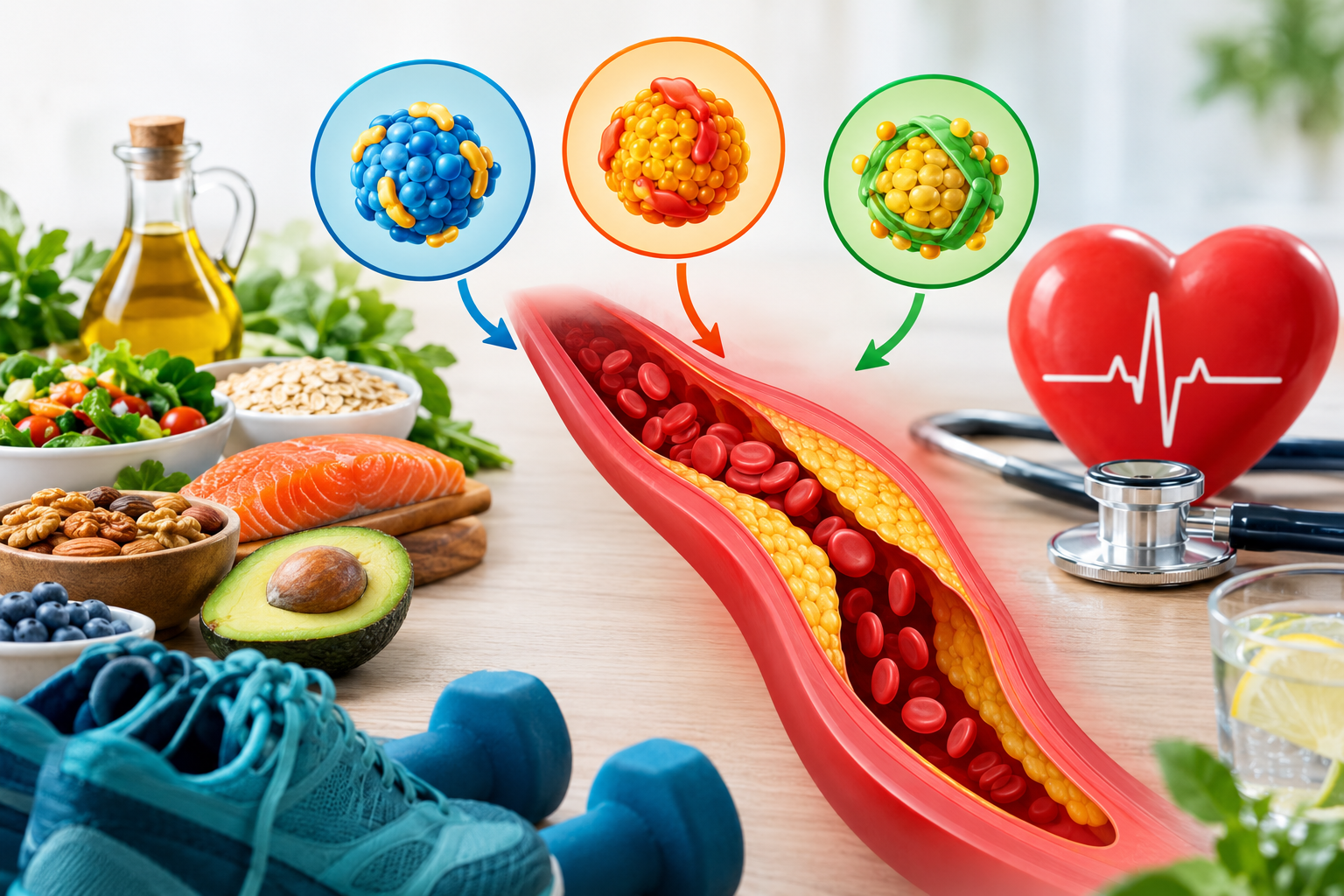
Understanding cholesterol involves more than simply knowing whether your cholesterol level is high or low. It requires learning about different types of cholesterol, including high-density lipoprotein (HDL) and low-density lipoprotein (LDL), as well as triglycerides, another type of fat found in the blood.
These substances work differently in the body, and their levels can provide valuable information about cardiovascular health. While HDL is commonly called good cholesterol, LDL is often described as bad cholesterol. Triglycerides, meanwhile, are the main form of fat that the body uses for energy storage.
Maintaining healthy levels of these substances can help reduce the risk of heart attacks, strokes, and other complications. Fortunately, lifestyle changes such as eating a balanced diet, exercising regularly, maintaining a healthy weight, and avoiding smoking can significantly improve many cholesterol-related risk factors.
This article explains what cholesterol is, how HDL, LDL, and triglycerides differ, why their levels matter, how to interpret a cholesterol test, and what you can do to support better heart health.
What Is Cholesterol?
Cholesterol is a waxy, fat-like substance naturally produced by the liver. The body also obtains cholesterol from certain animal-based foods, including meat, eggs, dairy products, and seafood.
Cholesterol is necessary for several essential biological processes. It contributes to the structure of cell membranes, supports the production of hormones such as estrogen and testosterone, and helps the body produce vitamin D. It is also used to make bile acids, which help digest and absorb dietary fats.
Because cholesterol does not dissolve in water, it cannot travel freely through the bloodstream. Instead, it moves through the body in particles called lipoproteins. These particles contain fats and proteins that allow cholesterol and other lipids to circulate in the blood.
The two major types of cholesterol-related lipoproteins commonly measured in routine blood tests are HDL and LDL.
However, cholesterol is only one part of the overall picture. Triglycerides are also measured because elevated levels can contribute to cardiovascular risk, particularly when they occur alongside low HDL or elevated LDL cholesterol.
The goal is not to eliminate cholesterol from the body. Instead, the objective is to maintain healthy blood lipid levels and reduce the buildup of fatty deposits inside the arteries.
Understanding HDL: The Good Cholesterol
HDL stands for high-density lipoprotein. It is commonly known as good cholesterol because it helps transport excess cholesterol from tissues and blood vessel walls toward the liver, where it can be processed and removed from the body.
This process is called reverse cholesterol transport. It is one of the mechanisms that help the body manage cholesterol and maintain cardiovascular health.
Why Is HDL Important?
Healthy HDL levels are generally associated with a lower risk of cardiovascular disease. HDL particles help manage cholesterol movement and may have additional beneficial effects on blood vessels.
HDL is important for several reasons:
- Supports cholesterol removal: HDL helps carry excess cholesterol away from tissues and toward the liver.
- Contributes to cardiovascular health: Higher HDL levels are often associated with a more favorable cardiovascular risk profile.
- Helps maintain lipid balance: HDL participates in the complex processes that regulate cholesterol distribution throughout the body.
- May support healthy blood vessel function: HDL particles have several biological properties that may help protect blood vessels.
However, having a high HDL level does not automatically eliminate the risk of heart disease. HDL cholesterol is only one component of cardiovascular risk, and its protective effects cannot be judged by the number alone.
What Is a Healthy HDL Level?
HDL levels are measured in milligrams per deciliter (mg/dL) in many countries, including the United States and India.
For adults, commonly used reference points are:
- Below 40 mg/dL in men: Considered low.
- Below 50 mg/dL in women: Considered low.
- 60 mg/dL or higher: Traditionally considered a favorable level.
These values are general reference points rather than universal treatment targets. The interpretation of HDL depends on the person’s overall health, other cholesterol measurements, and cardiovascular risk factors.
Extremely high HDL levels are not necessarily better, and they should not be assumed to provide additional protection.
How Can You Support Healthy HDL Levels?
Several lifestyle habits may help maintain or improve HDL levels:
- Engage in regular physical activity, including brisk walking, cycling, swimming, or other aerobic exercise.
- Choose healthy fats from foods such as nuts, seeds, olive oil, and fish.
- Avoid smoking and seek support if you need help quitting.
- Maintain a healthy body weight.
- Reduce prolonged sitting by incorporating movement throughout the day.
It is important to remember that the goal is not simply to increase HDL. Improving overall cholesterol balance and reducing cardiovascular risk are more meaningful objectives.
Understanding LDL: The Bad Cholesterol
LDL stands for low-density lipoprotein. It transports cholesterol from the liver to cells throughout the body, where cholesterol is needed for normal functioning.
However, when LDL cholesterol levels become excessive, cholesterol can accumulate within artery walls. This process contributes to atherosclerosis, a condition in which fatty deposits called plaques develop inside the arteries.
Over time, these plaques can narrow blood vessels and reduce blood flow. If a plaque ruptures, a blood clot may form and block blood flow to an important organ.
When this occurs in the arteries supplying the heart, it can cause a heart attack. When blood flow to the brain is interrupted, it can cause an ischemic stroke.
For these reasons, LDL cholesterol is one of the most important factors assessed when evaluating cardiovascular risk.
Why Is High LDL Cholesterol Dangerous?
High LDL cholesterol usually does not cause noticeable symptoms. A person may feel completely healthy even when cholesterol has been accumulating inside the arteries for years.
This makes regular health assessments particularly important for people with additional risk factors, such as diabetes, high blood pressure, smoking, or a family history of premature cardiovascular disease.
Elevated LDL cholesterol can contribute to:
- Coronary artery disease.
- Heart attacks.
- Ischemic strokes.
- Peripheral artery disease, which affects blood flow to the limbs.
- Progressive narrowing of arteries due to plaque buildup.
The risk generally increases as LDL cholesterol rises and remains elevated over time. However, the level of risk varies according to a person’s age, medical history, and other cardiovascular factors.
What Is a Healthy LDL Level?
There is no single LDL target that is appropriate for every adult. The ideal level depends on overall cardiovascular risk.
For general orientation, the following ranges are commonly used:
- Below 100 mg/dL: Often considered optimal for many adults.
- 100–129 mg/dL: Near optimal for some people, although lower levels may be preferable for those at higher risk.
- 130–159 mg/dL: Borderline high.
- 160–189 mg/dL: High.
- 190 mg/dL or above: Very high.
These categories are general reference ranges, not personalized treatment recommendations. People who already have cardiovascular disease or certain other high-risk conditions may need substantially lower LDL levels.
For individuals at high or very high cardiovascular risk, clinicians may recommend an LDL target below 70 mg/dL or even below 55 mg/dL, depending on the clinical circumstances and applicable guidelines.
How Can You Lower LDL Cholesterol?
Lowering elevated LDL cholesterol is an important step in reducing cardiovascular risk.
Helpful strategies include:
Reduce saturated fat intake. Foods such as fatty meats, butter, high-fat dairy products, and some commercially prepared baked goods can contain substantial amounts of saturated fat. Replacing saturated fats with unsaturated fats can help lower LDL cholesterol.
Avoid trans fats. Industrial trans fats can raise LDL cholesterol and negatively affect cardiovascular health. Limit foods containing partially hydrogenated oils wherever these are present.
Eat more soluble fiber. Oats, beans, lentils, apples, pears, and certain vegetables contain soluble fiber, which can help reduce cholesterol absorption.
Choose healthier protein sources. Beans, lentils, fish, nuts, and lean protein options can help create a heart-healthy eating pattern.
Exercise regularly. Physical activity supports cardiovascular health, helps manage body weight, and may improve the overall lipid profile.
Take prescribed medication when necessary. Lifestyle changes are important, but some people need medication to reach appropriate LDL levels. Statins are commonly prescribed because they lower LDL cholesterol and reduce the risk of cardiovascular events.
Understanding Triglycerides: The Body’s Energy Storage Fat
Triglycerides are a type of fat found in the bloodstream. Unlike cholesterol, which is primarily used for cell structures and hormone production, triglycerides serve mainly as an energy reserve.
When you consume more calories than your body needs, some of the excess energy is converted into triglycerides and stored in fat cells. Between meals, hormones help release these stored fats so the body can use them for energy.
Triglycerides are necessary for normal bodily functions. However, persistently elevated levels can be a sign of metabolic problems and may contribute to cardiovascular risk.
Why Do Triglyceride Levels Matter?
High triglycerides frequently occur alongside other conditions that increase the risk of cardiovascular disease, including obesity, insulin resistance, type 2 diabetes, and low HDL cholesterol.
Although the relationship between triglycerides and cardiovascular disease is complex, elevated triglycerides can indicate an unfavorable metabolic profile.
Very high triglyceride levels are particularly concerning because they can increase the risk of acute pancreatitis, a potentially serious inflammation of the pancreas.
Common causes of elevated triglycerides include:
- Consuming excessive calories.
- Eating large amounts of added sugar and refined carbohydrates.
- Drinking alcohol.
- Being physically inactive.
- Having excess body weight, particularly around the waist.
- Poorly controlled diabetes.
- Certain thyroid, kidney, or liver conditions.
- Taking some medications that affect lipid levels.
- Having an inherited lipid disorder.
Identifying the underlying cause is important because treatment may involve both lifestyle changes and medical care.
What Is a Healthy Triglyceride Level?
For adults, common fasting triglyceride categories are:
- Below 150 mg/dL: Normal.
- 150–199 mg/dL: Borderline high.
- 200–499 mg/dL: High.
- 500 mg/dL or above: Very high.
These categories are general reference ranges. Laboratory methods and clinical guidelines may differ, and a healthcare professional should interpret the result in context.
Triglyceride levels can rise temporarily after eating. Depending on the circumstances, a clinician may recommend a fasting blood test to clarify the result.
How Can You Lower Triglycerides?
Triglycerides often respond well to changes in daily habits.
Limit added sugars. Sweetened beverages, sugary desserts, and other foods high in added sugar can contribute to elevated triglycerides when consumed frequently or in excess.
Reduce refined carbohydrates. White bread, pastries, and highly processed grain products can contribute to an unfavorable triglyceride profile, especially when they make up a large part of the diet.
Be mindful of alcohol. Alcohol can raise triglyceride levels, sometimes substantially. People with very high triglycerides may need to avoid it entirely under medical guidance.
Exercise regularly. Walking, cycling, swimming, and other physical activities can improve triglyceride levels and insulin sensitivity.
Manage body weight. For people with excess weight, gradual weight loss can help reduce triglycerides and improve other metabolic risk factors.
Manage underlying conditions. Better control of diabetes, hypothyroidism, and other relevant conditions can improve triglyceride levels.
People with very high triglycerides may require prescription treatment in addition to lifestyle changes. They should consult a healthcare professional promptly rather than relying on dietary changes alone.
HDL vs. LDL vs. Triglycerides: Understanding the Differences
Although HDL, LDL, and triglycerides are frequently discussed together, they are not identical substances.
HDL and LDL are lipoproteins that transport cholesterol through the bloodstream. Triglycerides are fats that circulate in the blood within lipoprotein particles and provide stored energy.
The following table summarizes their main differences.
| Feature | HDL Cholesterol | LDL Cholesterol | Triglycerides |
|---|---|---|---|
| Full form | High-density lipoprotein | Low-density lipoprotein | A type of blood fat |
| Main function | Helps transport excess cholesterol toward the liver | Delivers cholesterol to body cells | Stores and supplies energy |
| Common description | Good cholesterol | Bad cholesterol | Stored-energy fat |
| Main concern | Low levels may be associated with higher cardiovascular risk | High levels promote plaque buildup in arteries | High levels may indicate metabolic risk; very high levels can cause pancreatitis |
| General desirable level | At least 40 mg/dL in men and 50 mg/dL in women | Often below 100 mg/dL for many adults, with lower targets for high-risk people | Below 150 mg/dL when fasting |
| Lifestyle influences | Exercise, smoking, diet, and body weight | Saturated fat intake, genetics, diet, and medications | Sugar intake, alcohol, activity, body weight, and metabolic health |
A cholesterol test provides a more complete picture when all these measurements are considered together.
For example, a person may have an acceptable total cholesterol level but still have elevated triglycerides or LDL cholesterol. Conversely, someone with high HDL may still require treatment for elevated LDL.
The overall pattern matters more than any single number.
What Is a Lipid Profile Test?
A lipid profile, also called a lipid panel, is a blood test used to measure several substances associated with cardiovascular health.
A typical lipid profile includes:
- Total cholesterol.
- LDL cholesterol.
- HDL cholesterol.
- Triglycerides.
Some reports also include non-HDL cholesterol, which is calculated by subtracting HDL cholesterol from total cholesterol.
Non-HDL cholesterol represents the cholesterol carried by several types of potentially artery-damaging lipoproteins. It can be especially useful when triglycerides are elevated.
Another measurement, apolipoprotein B (ApoB), may be recommended in selected cases to help assess the number of atherogenic particles in the bloodstream.
Do You Need to Fast Before a Cholesterol Test?
Not everyone needs to fast before a lipid profile. Many routine cholesterol assessments can be performed without fasting.
However, a clinician may recommend fasting when triglycerides are elevated, when a more precise triglyceride measurement is needed, or when the results require further evaluation.
If fasting is requested, follow the laboratory’s instructions regarding food, beverages, and medications. Do not stop prescribed medicines unless your healthcare professional tells you to do so.
How Often Should Cholesterol Be Checked?
The appropriate testing frequency depends on age, personal medical history, family history, and cardiovascular risk.
Healthy adults may undergo periodic cholesterol screening as part of routine preventive care. People with diabetes, established cardiovascular disease, inherited cholesterol disorders, or ongoing cholesterol treatment may need more frequent testing.
A healthcare professional can recommend an appropriate schedule based on individual circumstances.
What Is Total Cholesterol, and Does It Tell the Whole Story?
Total cholesterol represents the combined amount of cholesterol measured in different lipoprotein fractions.
It is commonly used as an initial indicator of cholesterol status, but it does not provide enough information to assess cardiovascular risk on its own.
For example, two people may have the same total cholesterol level while having very different LDL, HDL, and triglyceride measurements.
One person may have relatively low LDL and healthy triglycerides, while another may have elevated LDL and high triglycerides.
Their cardiovascular risk profiles could therefore differ significantly.
For this reason, healthcare professionals generally review the complete lipid profile rather than focusing exclusively on total cholesterol.
They may also consider blood pressure, blood sugar, smoking status, kidney function, family history, age, and whether the person has previously experienced a heart attack or stroke.
Foods That Support Healthy Cholesterol Levels
Diet plays an important role in managing cholesterol and triglycerides. A heart-healthy eating pattern emphasizes whole foods, fiber, unsaturated fats, and balanced portions.
1. Oats and Whole Grains
Oats contain beta-glucan, a soluble fiber that can help lower LDL cholesterol. Other whole grains can provide fiber and nutrients that support overall health.
Choose whole-grain foods more often than highly refined alternatives.
2. Fruits and Vegetables
Fruits and vegetables provide fiber, vitamins, minerals, and beneficial plant compounds.
Apples, pears, citrus fruits, leafy greens, carrots, and other colorful produce can be part of a balanced diet.
Whole fruits are generally preferable to fruit juices because they retain more fiber and are often more filling.
3. Nuts and Seeds
Almonds, walnuts, flaxseeds, chia seeds, and other nuts and seeds provide unsaturated fats and other beneficial nutrients.
Because they are calorie-dense, moderate portions are generally appropriate.
4. Beans and Lentils
Beans, chickpeas, lentils, and other legumes are good sources of plant protein and fiber.
Replacing some fatty meat dishes with legume-based meals can help improve the overall quality of the diet.
5. Fish
Fish provides protein, and oily varieties such as sardines, salmon, and mackerel contain omega-3 fatty acids.
Omega-3 fats can help lower triglycerides. However, over-the-counter fish oil supplements are not equivalent to prescription treatments for severe hypertriglyceridemia.
6. Healthier Cooking Oils
Replacing butter, ghee, or other sources of substantial saturated fat with unsaturated oils, such as mustard, olive, or groundnut oil, may help lower LDL cholesterol when used appropriately.
The goal is to improve the overall balance of dietary fats rather than simply adding more oil.
7. Foods to Limit
Consider limiting foods and beverages high in added sugar, frequent deep-fried foods, processed meats, and foods rich in saturated or trans fats.
For people with elevated triglycerides, sugary drinks, excess refined carbohydrates, and alcohol may be particularly important to address.
A balanced eating pattern should be practical, culturally appropriate, and sustainable over time.
Lifestyle Changes That Improve Cholesterol and Heart Health
Healthy cholesterol levels are influenced by more than diet alone. Several everyday habits can support a healthier lipid profile and reduce cardiovascular risk.
Exercise Regularly
Adults should generally aim for at least 150 minutes of moderate-intensity aerobic activity each week, or 75 minutes of vigorous activity, along with muscle-strengthening activities on two or more days.
People who have been inactive can begin gradually and increase activity according to their fitness and medical circumstances.
Maintain a Healthy Weight
Excess body weight, especially around the waist, is often associated with elevated triglycerides and other metabolic risk factors.
Gradual, sustainable weight loss can improve triglycerides, blood sugar, blood pressure, and overall cardiovascular health.
Avoid Smoking
Smoking damages blood vessels and increases cardiovascular risk. Quitting can improve overall heart health, even if cholesterol numbers do not change dramatically.
People who need help quitting can discuss counseling and appropriate treatments with a healthcare professional.
Get Adequate Sleep
Consistent, sufficient sleep supports metabolic health and can make it easier to maintain healthy eating habits and regular physical activity.
Adults generally benefit from approximately seven to nine hours of sleep each night, although individual needs vary.
Manage Stress
Chronic stress can affect sleep, eating habits, physical activity, and other behaviors that influence cardiovascular health.
Relaxation exercises, regular movement, social support, and appropriate professional assistance can help people manage stress more effectively.
When Are Cholesterol Medications Necessary?
Lifestyle changes are an important part of cholesterol management, but they are not always sufficient.
Medication may be recommended for people with very high LDL cholesterol, established cardiovascular disease, diabetes in certain risk categories, inherited cholesterol disorders, or an elevated overall risk of heart attack or stroke.
Statins are commonly used to lower LDL cholesterol and reduce cardiovascular events. Other medications, including ezetimibe, PCSK9-targeting therapies, and certain triglyceride-lowering treatments, may be appropriate in specific circumstances.
The choice of medication depends on the person’s lipid levels, cardiovascular risk, medical history, potential side effects, and treatment goals.
People should not start, stop, or change cholesterol medication without consulting their healthcare professional.
It is also important to understand that dietary supplements marketed for cholesterol management may not have the same evidence of effectiveness or safety as approved medications.
Common Myths About Cholesterol
Myth 1: Only overweight people have high cholesterol.
Fact: People at any body weight can have elevated cholesterol because genetics, age, diet, medical conditions, and other factors influence lipid levels.
Myth 2: High cholesterol always causes symptoms.
Fact: High cholesterol usually produces no noticeable symptoms. A blood test is needed to measure cholesterol levels.
Myth 3: All cholesterol is harmful.
Fact: Cholesterol is essential for normal body functions. The main concern is an unhealthy balance of cholesterol-carrying particles and excessive levels of atherogenic cholesterol.
Myth 4: High HDL completely protects against heart disease.
Fact: HDL is one part of the lipid profile. High HDL does not cancel out the risks associated with elevated LDL, smoking, diabetes, or high blood pressure.
Myth 5: Healthy eating always eliminates the need for medication.
Fact: Some people have inherited or severe cholesterol disorders that require medication even when they follow a healthy lifestyle.
Myth 6: Triglycerides and cholesterol are the same thing.
Fact: They are different types of lipids with different primary functions, although both are important indicators of metabolic and cardiovascular health.
Understanding these distinctions helps people make better decisions about screening, lifestyle changes, and treatment.
Conclusion
Understanding cholesterol means looking beyond a single number and recognizing how HDL, LDL, and triglycerides affect the body in different ways.
HDL helps transport excess cholesterol toward the liver, LDL carries cholesterol to body tissues but can contribute to artery plaque when levels are excessive, and triglycerides store energy but may signal metabolic problems when elevated.
A complete lipid profile can help identify potential concerns before symptoms appear. Regular physical activity, a balanced diet, healthy weight management, avoiding smoking, and controlling underlying medical conditions are important ways to support cardiovascular health.
For some people, medication is also necessary to achieve appropriate cholesterol levels and reduce the risk of heart attacks and strokes.
The most effective approach is to understand your individual lipid results, discuss them with a qualified healthcare professional, and develop a plan suited to your health needs.
Disclaimer: This article is for educational and informational purposes only and should not be considered a substitute for professional medical advice, diagnosis, or treatment. Cholesterol targets and treatment recommendations vary according to individual health conditions and cardiovascular risk. Consult a qualified healthcare professional before making significant dietary changes, starting supplements, or changing prescribed medication.