
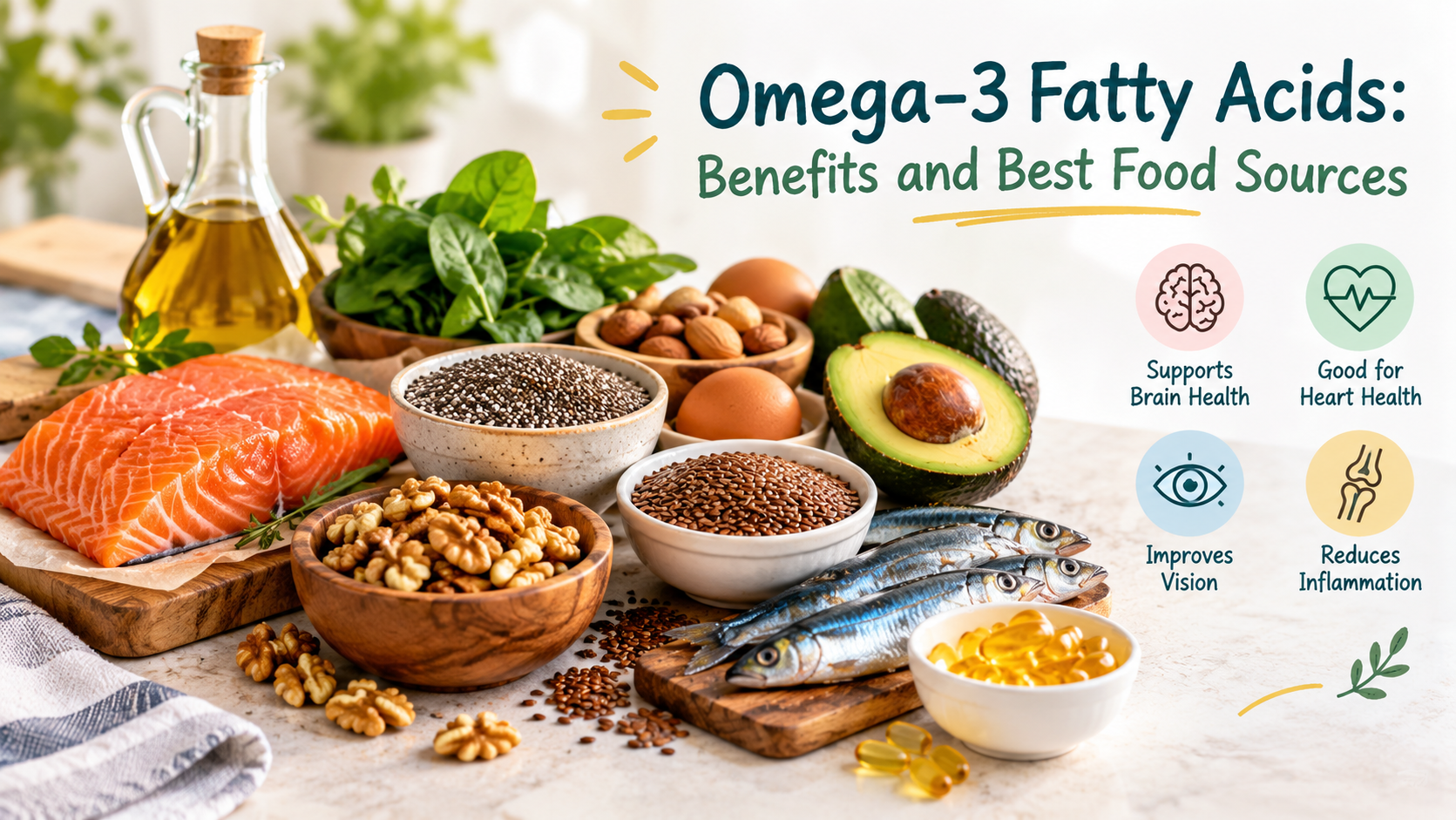
Omega-3 fatty acids are essential fats that play an important role in maintaining overall health. They support the heart, brain, eyes, and other vital organs while helping the body regulate inflammation and maintain normal cellular functions. Since the human body cannot produce enough omega-3 fatty acids to meet its needs, these nutrients must be obtained through food or, when appropriate, supplements.
Despite their importance, many people do not consume sufficient omega-3-rich foods in their daily diets. Understanding the different types of omega-3 fatty acids, their health benefits, and the foods that provide them can help individuals make better nutritional choices.
From fatty fish and flaxseeds to walnuts and chia seeds, there are several ways to include omega-3 fatty acids in a balanced diet. This article explores their benefits, the best food sources, recommended intake, possible deficiency signs, and practical ways to improve daily consumption.
What Are Omega-3 Fatty Acids?
Omega-3 fatty acids are a group of polyunsaturated fats that the body needs for normal growth, development, and maintenance. They are important components of cell membranes and help support several biological processes, including brain function, cardiovascular health, and the body’s inflammatory response.
Unlike some fats that are consumed mainly for energy, omega-3 fatty acids also have important structural and regulatory functions. They help maintain the flexibility of cell membranes and contribute to the production of substances involved in blood clotting, immune responses, and inflammation.
Omega-3 fatty acids are commonly associated with fish oil, but they are also found in certain seeds, nuts, plant oils, and fortified foods.
There are three main types of omega-3 fatty acids:
1. Alpha-Linolenic Acid (ALA)
Alpha-linolenic acid, commonly called ALA, is an essential omega-3 fatty acid found mainly in plant foods. Good sources include flaxseeds, chia seeds, walnuts, soybean oil, and canola oil.
The body can convert ALA into the other two major omega-3 fatty acids, EPA and DHA. However, this conversion is limited, so consuming foods that directly provide EPA and DHA can be important, particularly for people who rarely eat fish.
2. Eicosapentaenoic Acid (EPA)
Eicosapentaenoic acid, or EPA, is found mainly in fatty fish and seafood. It contributes to the production of compounds that help regulate inflammatory processes.
EPA has been studied extensively for its role in cardiovascular health, particularly its ability to help lower elevated triglyceride levels when consumed in appropriate amounts under medical guidance.
3. Docosahexaenoic Acid (DHA)
Docosahexaenoic acid, or DHA, is an important structural component of the brain and retina. It plays a particularly important role during pregnancy, infancy, and early childhood, when the brain and visual system are developing.
DHA is found primarily in fatty fish, seafood, and certain algae-based products. Algal oil is an option for people following vegetarian or vegan diets who want a direct source of DHA.
Major Health Benefits of Omega-3 Fatty Acids
Omega-3 fatty acids support several aspects of health. Their effects depend on the type consumed, the amount, the person’s overall diet, and existing health conditions.
1. Supports Heart Health
One of the best-known benefits of omega-3 fatty acids is their role in cardiovascular health.
EPA and DHA can help lower blood triglyceride levels. Triglycerides are a type of fat circulating in the bloodstream, and persistently elevated levels may increase the risk of cardiovascular problems and, when extremely high, pancreatitis.
Omega-3 fatty acids may also have modest effects on blood pressure in some people. Research has examined their potential influence on blood vessel function, heart rhythm, and other cardiovascular processes.
Eating fish regularly as part of a balanced dietary pattern may support heart health, particularly when fish replaces foods high in saturated fat.
However, omega-3 supplements are not a guaranteed way to prevent heart attacks or strokes. The benefits of supplementation vary according to the population studied and the dose used. People with high triglycerides or established cardiovascular disease should discuss treatment options with a healthcare professional.
2. Helps Maintain Normal Brain Function
The brain contains substantial amounts of fat, and DHA is an important component of its cell membranes.
Adequate DHA intake supports normal brain structure and function. Omega-3 fatty acids are also involved in processes related to communication between nerve cells.
Researchers have studied whether omega-3 consumption can improve memory, concentration, and cognitive performance. Some studies suggest possible benefits in particular populations, but the results are mixed, and supplementation has not consistently been shown to improve memory in healthy adults.
Including omega-3-rich foods in a balanced diet is a practical way to support long-term nutritional needs.
3. Supports Eye Health
DHA is present in high concentrations in the retina, the light-sensitive tissue at the back of the eye.
It contributes to the structure and normal functioning of retinal cells. Adequate DHA intake is particularly important during pregnancy and early development.
Although omega-3 fatty acids are essential for normal eye function, supplements do not reliably prevent every eye condition. For example, research has not consistently demonstrated that omega-3 supplements improve the progression of age-related macular degeneration.
A balanced diet containing appropriate amounts of omega-3 fatty acids, vegetables, fruits, and other essential nutrients helps support general eye health.
4. Helps Regulate Inflammation
Inflammation is a normal part of the body’s response to infection and injury. However, prolonged or excessive inflammation can contribute to various chronic health conditions.
EPA and DHA are involved in producing signaling molecules that help regulate inflammatory processes. Some research suggests that omega-3 fatty acids may help reduce certain inflammatory markers and improve symptoms in selected conditions.
For example, omega-3 supplements may provide modest benefits for some people with rheumatoid arthritis, particularly in reducing joint tenderness or the need for certain pain-relieving medicines.
However, omega-3 fatty acids should not replace prescribed treatment. Their effects differ between conditions, and they are not a universal solution for inflammation.
5. Supports Healthy Pregnancy and Infant Development
Omega-3 fatty acids, especially DHA, are important during pregnancy and breastfeeding.
DHA contributes to the development of an infant’s brain and eyes. Pregnant individuals can obtain omega-3 fatty acids from appropriately selected, low-mercury seafood and other suitable sources.
Fish provides DHA and EPA along with protein, iodine, vitamin D, and other nutrients. These nutrients can contribute to a healthy pregnancy when consumed as part of a balanced diet.
Pregnant individuals should choose fish carefully because some species contain high levels of mercury. They should follow local pregnancy nutrition guidance and consult a healthcare professional if they are considering supplements.
6. May Support Mental Well-Being
Researchers have investigated possible connections between omega-3 fatty acids and mental health, including depression and anxiety.
Some studies suggest that certain EPA-containing supplements may provide additional benefits for people with depression when used alongside standard treatment. However, results vary, and omega-3 supplementation is not a substitute for professional mental health care.
Evidence for preventing depression or treating anxiety in the general population remains inconsistent.
Eating nutritious foods, maintaining regular physical activity, getting adequate sleep, and seeking professional support when needed remain important components of overall mental well-being.
7. Helps Lower Elevated Triglycerides
Omega-3 fatty acids have a well-established triglyceride-lowering effect at sufficiently high doses.
Prescription omega-3 products are sometimes used under medical supervision to treat significantly elevated triglyceride levels. The dose and formulation used for this purpose may differ substantially from those found in ordinary dietary supplements.
People should not attempt to treat high triglycerides by taking large amounts of over-the-counter fish oil without medical advice.
A healthcare professional can assess triglyceride levels, cardiovascular risk, other medical conditions, and the most appropriate treatment.
8. Supports Healthy Skin
The skin relies on fats to maintain its protective barrier and retain moisture. Omega-3 fatty acids contribute to normal cell membrane function and may influence inflammatory responses in the skin.
Some research has explored their potential role in conditions such as psoriasis and other inflammatory skin disorders. However, evidence is limited for many specific skin benefits.
Omega-3-rich foods can form part of a nutritious eating pattern that supports general skin health. They should not be considered a replacement for appropriate skincare or treatment of diagnosed skin conditions.
Best Food Sources of Omega-3 Fatty Acids
The most effective way to improve omega-3 intake is to include a variety of foods that provide these fats. Animal and plant sources offer different types of omega-3 fatty acids.
1. Fatty Fish
Fatty fish are among the richest dietary sources of EPA and DHA.
Examples include:
- Salmon
- Sardines
- Mackerel
- Herring
- Anchovies
- Trout
The amount of omega-3 fatty acids varies according to the species, serving size, season, and preparation method.
For people who eat fish, including suitable fatty fish in meals regularly can help increase EPA and DHA intake. Many dietary guidelines recommend approximately two servings of fish per week, with at least some servings coming from oily fish.
People who are pregnant, breastfeeding, or feeding young children should follow guidance on choosing fish with lower mercury levels.
2. Flaxseeds
Flaxseeds are an excellent plant-based source of ALA.
They can be added to oatmeal, smoothies, yogurt, homemade bread, and salads. Ground flaxseeds are generally easier to digest than whole flaxseeds, allowing the body to access more of their nutrients.
Flaxseeds also provide dietary fiber and lignans, plant compounds that contribute to their nutritional value.
Because flaxseeds are calorie-dense, moderate portions can fit easily into a balanced diet.
3. Chia Seeds
Chia seeds contain ALA, fiber, protein, and several minerals.
They can be added to smoothies, breakfast bowls, overnight oats, and puddings. When mixed with liquid, chia seeds absorb water and form a gel-like texture.
Their fiber content can support digestive health, while their ALA content helps increase plant-based omega-3 intake.
Chia seeds do not provide the same amounts of EPA and DHA as fatty fish, but they are a useful option for people who prefer plant-based foods.
4. Walnuts
Walnuts are a convenient source of ALA and contain other beneficial nutrients, including protein, fiber, and unsaturated fats.
A small handful can be eaten as a snack or added to salads, oatmeal, and homemade trail mixes.
Walnuts can also replace less nutritious snack foods, making them a practical addition to a heart-conscious eating pattern.
Although walnuts provide omega-3 fatty acids, they primarily contain ALA rather than significant amounts of EPA and DHA.
5. Soybeans and Soy Products
Soybeans provide ALA along with protein and other essential nutrients.
Foods such as tofu, tempeh, and edamame can contribute to omega-3 intake, although the amount depends on the product and preparation.
Soy foods are especially useful for people following vegetarian or vegan diets because they also provide protein.
Soybean oil contains ALA as well, but the quantity varies depending on the product.
6. Canola Oil
Canola oil contains ALA and can be used in everyday cooking.
It is a source of unsaturated fat and can replace some oils or fats that contain higher proportions of saturated fat.
However, cooking oils should be used in reasonable amounts because all oils are energy-dense. Canola oil provides ALA but does not supply the same direct amounts of EPA and DHA as fatty fish.
7. Hemp Seeds
Hemp seeds contain ALA, protein, fiber, and minerals.
They can be sprinkled over salads, soups, vegetables, or breakfast dishes. Their mild, nutty flavor makes them easy to incorporate into everyday meals.
Hemp seeds are another useful source of plant-based omega-3 fatty acids, although they do not replace marine sources of EPA and DHA on a gram-for-gram basis.
8. Algae and Algal Oil
Certain types of microalgae produce DHA and, in some cases, EPA. Fish obtain these fats through the marine food chain, which is why fish oil contains them.
Algal oil supplements provide a direct source of marine-type omega-3 fatty acids without using fish.
They may be useful for vegetarians, vegans, and people who do not eat seafood. The amount of DHA and EPA varies by product, so checking the supplement label is important.
Some foods are also fortified with DHA or other omega-3 fatty acids.
9. Omega-3-Fortified Eggs
Some eggs come from hens whose feed contains omega-3-rich ingredients, such as flaxseed.
These eggs may contain more omega-3 fatty acids than conventional eggs, although the amount and type vary by brand.
They can contribute to overall intake, but the product label should be checked to understand the quantity provided.
10. Other Plant Foods
Certain leafy vegetables, including spinach, contain small amounts of ALA. Brussels sprouts and some other vegetables also provide modest quantities.
These foods contribute to overall nutrition but generally contain much less ALA per serving than flaxseeds, chia seeds, or walnuts.
Eating a wide variety of vegetables, nuts, seeds, and whole grains can complement other omega-3 sources.
How Much Omega-3 Do You Need Daily?
Omega-3 recommendations depend on the type of fatty acid, age, sex, pregnancy status, and health needs.
For adults, the US National Institutes of Health lists adequate intakes for ALA of approximately:
| Group | Daily ALA Intake |
|---|---|
| Adult men | 1.6 grams |
| Adult women | 1.1 grams |
| Pregnant women | 1.4 grams |
| Breastfeeding women | 1.3 grams |
These figures refer specifically to ALA, the essential plant-based omega-3 fatty acid. They are not recommendations for combined EPA and DHA intake.
There is no single universally established daily requirement for EPA and DHA for every healthy adult. Recommendations vary among health authorities, and some guidelines focus instead on eating fish regularly.
People with specific medical conditions may receive different recommendations from their healthcare professionals.
The best approach for most healthy adults is to consume a balanced diet that includes ALA-rich plant foods and, if suitable, regular servings of low-mercury seafood.
Signs of Possible Omega-3 Insufficiency
Severe essential fatty acid deficiency is uncommon in people who eat a varied diet. However, consistently low omega-3 intake may mean a person is not meeting their nutritional needs.
Possible signs associated with essential fatty acid deficiency can include:
- Dry or scaly skin
- Skin irritation
- Poor wound healing
- Changes in hair or skin condition
These symptoms are not specific to omega-3 deficiency. They can also occur because of other nutritional deficiencies, skin disorders, or medical conditions.
Fatigue, poor concentration, and mood changes are sometimes attributed to low omega-3 intake, but they have many possible causes and cannot diagnose a deficiency.
Anyone experiencing persistent symptoms should consult a healthcare professional rather than relying on supplements alone.
Omega-3 Supplements: Are They Necessary?
Omega-3 supplements include fish oil, cod liver oil, krill oil, and algal oil.
For people who regularly eat suitable omega-3-rich foods, supplements may not be necessary. Those who avoid seafood or have specific nutritional or medical needs may benefit from discussing supplementation with a healthcare professional.
Before purchasing a supplement, consider the following factors:
Check EPA and DHA amounts: The total amount of fish oil listed on the front of a bottle is not necessarily the amount of EPA and DHA it contains.
Choose a reputable product: Look for appropriate quality testing and transparent ingredient information.
Review possible interactions: Omega-3 supplements may interact with certain medicines, including anticoagulant or antiplatelet medicines, and high doses may increase bleeding concerns in some circumstances.
Avoid excessive intake: High doses can cause side effects and may increase the risk of atrial fibrillation in some people with cardiovascular risk factors.
Be careful with cod liver oil: It can contain vitamins A and D in addition to omega-3 fatty acids. Excessive vitamin A intake can be harmful, particularly during pregnancy.
Prescription omega-3 products are different from ordinary dietary supplements and should be used according to medical advice.
Easy Ways to Add More Omega-3 to Your Diet
Improving omega-3 intake does not require a complicated meal plan. A few practical changes can help.
Add seeds to breakfast: Mix ground flaxseeds or chia seeds into oatmeal, yogurt, or smoothies.
Eat nuts as a snack: Choose a small handful of walnuts instead of highly processed snack foods.
Include fatty fish regularly: Prepare suitable oily fish by baking, grilling, steaming, or cooking it with moderate amounts of oil.
Use plant-based oils thoughtfully: Canola oil can provide ALA when used as part of a balanced cooking routine.
Try soy-based meals: Include tofu, tempeh, or edamame in salads, curries, stir-fries, or grain bowls.
Choose fortified foods when useful: Omega-3-fortified eggs or other foods can contribute to intake, depending on their nutritional content.
Keep meals varied: Combine omega-3-rich foods with vegetables, whole grains, fruits, legumes, and other sources of healthy fats.
Consistency matters more than relying on a single food or supplement.
Common Myths About Omega-3 Fatty Acids
Myth 1: All Omega-3 Sources Are the Same
Plant foods primarily provide ALA, while fatty fish and certain algae provide EPA and DHA. The body converts ALA into EPA and DHA only to a limited extent.
Myth 2: More Omega-3 Is Always Better
Excessive supplementation is not necessarily beneficial. High doses can cause adverse effects and should be taken only when appropriate.
Myth 3: Omega-3 Supplements Prevent Every Heart Problem
Omega-3 fatty acids have important nutritional roles, but supplements do not eliminate cardiovascular risk. Overall diet, physical activity, smoking status, blood pressure, cholesterol levels, and other factors matter.
Myth 4: People Who Do Not Eat Fish Cannot Get Omega-3
Flaxseeds, chia seeds, walnuts, and several plant oils provide ALA. Algal oil can provide DHA and sometimes EPA for people who want a non-fish source.
Conclusion
Omega-3 fatty acids are essential nutrients that support normal heart, brain, and eye function while contributing to healthy cell membranes and the regulation of inflammatory processes.
The three main types—ALA, EPA, and DHA—have different dietary sources and functions. Flaxseeds, chia seeds, walnuts, and canola oil provide plant-based ALA, while fatty fish and algal oil provide EPA and DHA.
For most people, the best starting point is a varied diet that includes omega-3-rich foods regularly. Supplements may be useful in particular circumstances, but they are not necessary for everyone and should not replace a balanced diet or prescribed medical treatment.
By making simple choices, such as adding seeds to breakfast, eating walnuts as a snack, and including suitable fatty fish or plant-based alternatives in meals, individuals can improve their omega-3 intake and support their overall nutritional health.
Disclaimer: This article is for informational purposes only and is not a substitute for professional medical advice, diagnosis, or treatment. Individual nutritional requirements may vary depending on age, health status, pregnancy, and medications. Consult a qualified healthcare professional before starting omega-3 supplements, particularly if you have an existing medical condition or take prescription medicines.