
Introduction
Insulin resistance is a common metabolic condition that can affect how the body regulates blood sugar. It develops when the body’s cells do not respond effectively to insulin, a hormone that helps glucose move from the bloodstream into cells for energy. As a result, the pancreas may need to produce more insulin to maintain normal blood glucose levels.
Insulin resistance can develop gradually and may remain unnoticed for years because it does not always cause obvious symptoms. However, persistent insulin resistance can increase the risk of developing prediabetes, type 2 diabetes, and other metabolic health problems.
The good news is that lifestyle factors such as physical activity, balanced nutrition, adequate sleep, and weight management can play an important role in improving insulin sensitivity. Understanding the condition early can help people make informed decisions about their health and seek appropriate medical guidance when necessary.
In this article, we will explore what insulin resistance is, its common signs and causes, the lifestyle factors that influence it, and practical steps that may help support better metabolic health.
What Is Insulin Resistance?
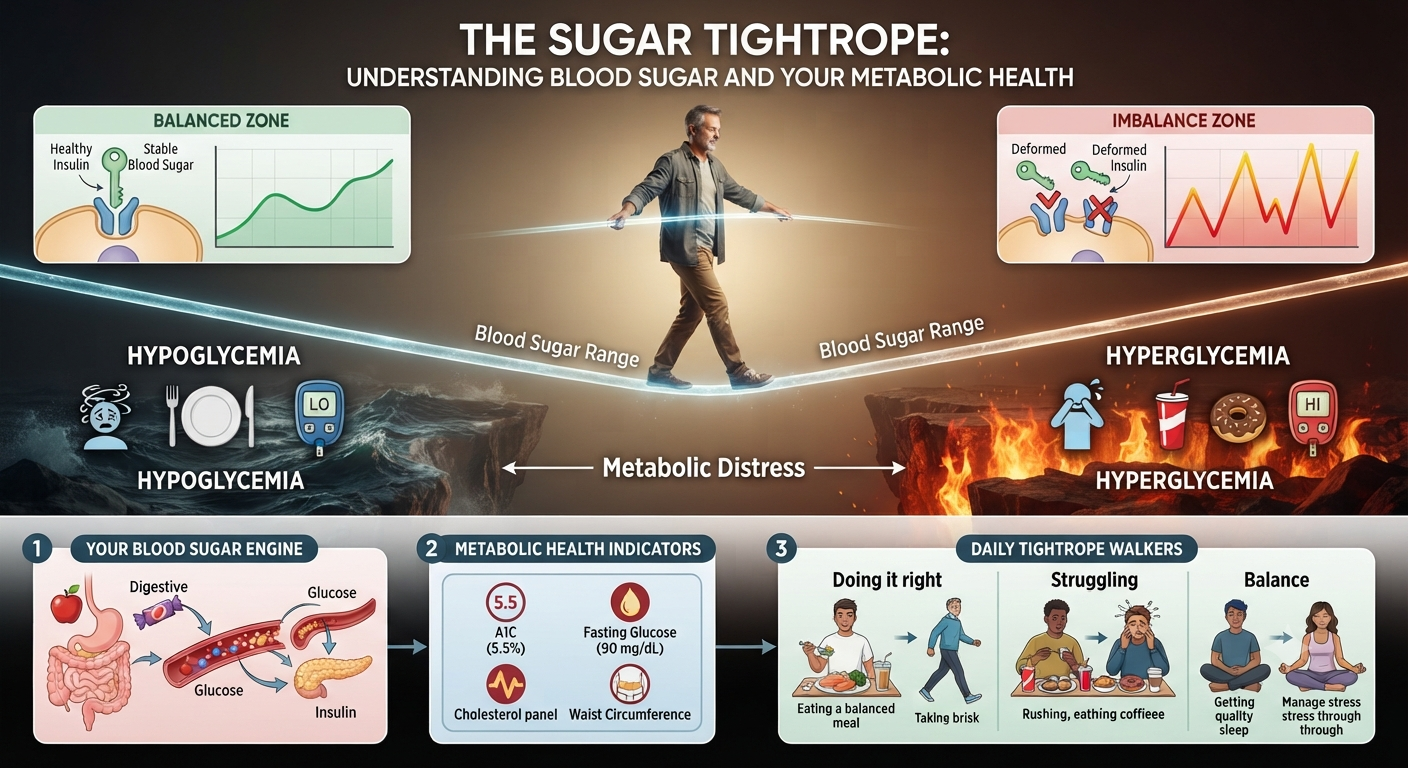
Insulin is a hormone produced by beta cells in the pancreas. Its primary role is to help regulate blood glucose levels after you eat.
When you consume carbohydrates, your digestive system breaks them down into glucose, which enters your bloodstream. In response, the pancreas releases insulin. This hormone signals cells in muscles and other tissues to take up glucose for energy or storage.
In a person with normal insulin sensitivity, cells respond effectively to insulin, allowing the body to regulate blood glucose efficiently.
With insulin resistance, cells respond less effectively to insulin’s signals. To compensate, the pancreas often produces additional insulin. This may allow blood glucose levels to remain within the normal range for some time.
However, if the pancreas cannot continue producing enough insulin to compensate, blood glucose levels may rise. This can lead to prediabetes and, in some cases, type 2 diabetes.
Insulin resistance is also associated with other metabolic changes, including abnormal blood fats, increased abdominal fat, and elevated blood pressure.
It is important to understand that insulin resistance is not the same as diabetes. A person can have insulin resistance without having elevated blood glucose, and insulin resistance does not mean that type 2 diabetes is inevitable.
Common Signs and Symptoms of Insulin Resistance
One of the biggest challenges with insulin resistance is that it often develops without noticeable symptoms. Many people discover that they have metabolic risk factors only during a routine health check.
Nevertheless, certain physical changes and health conditions may be associated with insulin resistance.
1. Darkened Skin Patches
A condition called acanthosis nigricans can cause areas of skin to become darker, thicker, and sometimes velvety.
These patches commonly appear around the neck, armpits, groin, or other skin folds. They may be associated with insulin resistance, although other conditions can also cause similar skin changes.
If you notice unexplained darkening or thickening of your skin, consider consulting a healthcare professional.
2. Increased Abdominal Fat
Excess fat around the waist is associated with a greater risk of insulin resistance and other metabolic conditions.
Abdominal fat, particularly fat stored around internal organs, is metabolically active and can influence how the body responds to insulin.
However, body weight alone cannot determine whether someone has insulin resistance. People at different body sizes can experience the condition.
3. Fatigue and Low Energy
Some people with insulin resistance report feeling tired or sluggish, especially when other metabolic problems are present.
However, fatigue is a nonspecific symptom. Poor sleep, anemia, thyroid disorders, stress, and many other conditions can also cause low energy.
Feeling tired does not necessarily mean that you have insulin resistance.
4. Increased Hunger
Changes in blood glucose regulation may sometimes occur alongside increased hunger or cravings.
However, hunger is influenced by several factors, including sleep, physical activity, meal composition, stress, and individual appetite regulation.
Persistent hunger alone is not a reliable indicator of insulin resistance.
5. Elevated Blood Glucose
Insulin resistance may contribute to elevated blood glucose when the pancreas can no longer compensate adequately.
Blood glucose abnormalities can develop gradually, moving from normal levels to prediabetes and, in some cases, type 2 diabetes.
Regular health checks can help identify these changes before more serious complications develop.
6. High Blood Pressure and Abnormal Cholesterol
Insulin resistance commonly occurs alongside other metabolic risk factors, including high blood pressure, elevated triglycerides, and low levels of high-density lipoprotein (HDL) cholesterol.
The combination of abdominal obesity, abnormal blood fats, high blood pressure, and elevated blood glucose may indicate metabolic syndrome, a condition associated with increased cardiovascular risk.
These risk factors often require assessment and management even when a person feels completely healthy.
What Causes Insulin Resistance?
Insulin resistance usually develops through a combination of genetic, biological, and environmental influences rather than one single cause.
Understanding these contributing factors can help people identify changes that may support better metabolic health.
1. Excess Body Fat
Excess body fat, particularly visceral fat stored around the abdominal organs, is strongly associated with insulin resistance.
Fat tissue releases hormones and other signaling substances that influence inflammation, appetite, and metabolism. When these processes become disrupted, the body’s response to insulin may become less effective.
However, not everyone with excess body fat develops insulin resistance, and people who are not overweight can also experience it.
Body composition, genetics, physical activity, and other health factors all influence metabolic risk.
2. Physical Inactivity
Muscles use glucose for energy, and physical activity helps them take up glucose more effectively.
When someone spends most of the day sitting and performs little exercise, muscles may become less efficient at using glucose.
Over time, physical inactivity can contribute to reduced insulin sensitivity, particularly when combined with other risk factors.
Regular movement, including walking, cycling, swimming, and strength training, can help improve the body’s response to insulin.
3. Dietary Patterns
Diet influences metabolic health, but no single food automatically causes or prevents insulin resistance.
A dietary pattern that regularly includes large amounts of sugary drinks, refined carbohydrates, highly processed foods, and excess calories may contribute to metabolic problems, especially when it provides little fiber or nutritional variety.
Frequent consumption of sugar-sweetened beverages is particularly worth limiting because these drinks can add substantial amounts of sugar and calories without providing much satiety.
A balanced eating pattern that includes vegetables, fruits, whole grains, legumes, protein sources, and healthy fats can support blood glucose regulation.
4. Genetic Factors
Family history can influence a person’s likelihood of developing insulin resistance and type 2 diabetes.
Certain genetic characteristics affect how the body produces insulin, responds to it, stores fat, and regulates glucose.
Having a parent or sibling with type 2 diabetes may increase your risk, although it does not guarantee that you will develop the condition.
People with a strong family history can benefit from discussing appropriate screening and prevention strategies with a healthcare professional.
5. Hormonal Conditions
Hormones influence many aspects of metabolism, including insulin sensitivity.
Polycystic ovary syndrome (PCOS), for example, is frequently associated with insulin resistance. Some people with PCOS may experience irregular menstrual periods, acne, or increased facial and body hair, although symptoms vary.
Other endocrine disorders, including certain conditions involving cortisol or growth hormone, can also affect glucose regulation.
If you have a hormonal condition, your healthcare professional can help determine whether metabolic screening is appropriate.
6. Poor Sleep and Sleep Disorders
Sleep is essential for maintaining normal metabolic function.
Regularly getting insufficient sleep can affect hormones involved in appetite regulation, increase stress responses, and reduce insulin sensitivity.
Sleep apnea, a condition that causes repeated interruptions in breathing during sleep, is also associated with insulin resistance and other metabolic risk factors.
Adults generally need seven to nine hours of sleep each night, although individual needs vary.
Maintaining a consistent sleep schedule and seeking medical advice for persistent sleep problems can support overall health.
7. Chronic Stress
Long-term psychological stress can affect metabolic health through several pathways.
Stress activates hormonal systems that help the body respond to challenging situations. These responses can influence blood glucose, appetite, sleep, and behavior.
Some people experiencing chronic stress may also become less physically active or rely more heavily on convenience foods.
Stress does not automatically cause insulin resistance, but managing it can support healthier routines and overall well-being.
8. Certain Medications
Some medications can influence blood glucose levels or insulin sensitivity.
For example, long-term use of certain glucocorticoids, such as prednisone, can increase blood glucose and contribute to diabetes risk in susceptible individuals.
Other medications may also affect glucose regulation, depending on the drug and the person’s health.
Never stop or change a prescribed medication without medical advice. If you are concerned about its metabolic effects, discuss the risks and possible alternatives with your healthcare professional.
How Is Insulin Resistance Diagnosed?
Insulin resistance can be difficult to identify because it often has no obvious symptoms and there is no single routine test used universally to diagnose it directly.
Healthcare professionals generally assess blood glucose levels and other metabolic risk factors to understand a person’s health.
Common tests include the following.
1. Fasting Blood Glucose Test
This test measures blood glucose after a period without food, usually overnight.
Elevated fasting glucose may indicate impaired glucose regulation, prediabetes, or diabetes, depending on the result and applicable diagnostic criteria.
2. HbA1c Test
The HbA1c test estimates average blood glucose over approximately the previous two to three months.
It is commonly used to screen for and diagnose prediabetes and diabetes.
However, certain conditions, including some forms of anemia and disorders affecting red blood cells, can influence the accuracy of HbA1c results.
3. Oral Glucose Tolerance Test
During this test, blood glucose is measured before and after drinking a standardized glucose solution.
The results show how effectively the body handles a glucose load and can help identify abnormal glucose regulation.
4. Additional Health Assessments
Depending on your risk factors, a healthcare professional may also assess blood pressure, cholesterol, triglycerides, waist circumference, family history, and relevant symptoms.
Although fasting insulin measurements and calculations such as HOMA-IR are used in some clinical and research settings, there is no universally accepted cutoff that establishes insulin resistance in every individual.
For this reason, diagnosis should be based on the overall clinical picture rather than one number alone.
Lifestyle Factors That Can Improve Insulin Sensitivity
Lifestyle changes are important for reducing the risk of type 2 diabetes and supporting metabolic health. The most effective approach is usually consistent and sustainable rather than extreme.
1. Follow a Balanced, Fiber-Rich Diet
A nutritious diet can help support blood glucose regulation, cardiovascular health, and a healthy body weight.
Try to include a variety of minimally processed foods in your daily meals.
Foods to include:
- Vegetables such as spinach, broccoli, carrots, and cauliflower.
- Fruits such as apples, oranges, berries, and guava.
- Whole grains such as oats, brown rice, and whole-wheat products.
- Legumes such as lentils, beans, and chickpeas.
- Protein sources such as eggs, fish, tofu, yogurt, and lean meat.
- Healthy fats from nuts, seeds, and suitable plant oils.
Dietary fiber can slow digestion, improve fullness, and help moderate blood glucose responses after meals.
For example, a meal containing lentils, vegetables, and a moderate portion of whole grains can provide fiber, protein, and carbohydrates.
You do not necessarily need to eliminate carbohydrates. Choosing suitable portions and emphasizing high-fiber sources can be a practical strategy.
2. Reduce Sugary Drinks and Added Sugar
Sugar-sweetened drinks, including soft drinks, sweetened tea, packaged fruit drinks, and many energy drinks, can add substantial amounts of sugar to the diet.
Regularly consuming large quantities may contribute to excess calorie intake and metabolic risk.
Consider replacing sugary beverages with water, sparkling water without added sugar, or unsweetened drinks.
Whole fruits are generally a better everyday choice than sugary drinks because they provide fiber and other nutrients.
You do not have to avoid every dessert or sweet food. Instead, focus on your overall eating pattern and reduce frequent consumption of products high in added sugar.
3. Exercise Regularly
Physical activity can improve insulin sensitivity because working muscles use glucose for energy.
Both aerobic exercise and resistance training can provide benefits.
Aerobic activities include:
- Brisk walking.
- Cycling.
- Swimming.
- Dancing.
- Jogging, if appropriate for your fitness level.
Strength-training activities include:
- Bodyweight squats.
- Wall push-ups.
- Resistance-band exercises.
- Weightlifting.
- Other exercises that challenge major muscle groups.
Adults are generally encouraged to aim for at least 150 minutes of moderate-intensity aerobic activity each week and muscle-strengthening activities on at least two days.
If you are new to exercise, start with short sessions and gradually increase the duration and intensity.
Even brief walks after meals can be a useful way to incorporate movement into your routine.
4. Manage Body Weight When Appropriate
For people who have overweight or obesity, losing a modest amount of weight can improve insulin sensitivity and reduce the risk of progressing to type 2 diabetes.
In people at high risk of diabetes, losing approximately 5% to 7% of initial body weight may provide meaningful benefits when appropriate and achievable.
However, weight loss is not necessary or appropriate for everyone with insulin resistance.
A healthcare professional or registered dietitian can help you establish realistic goals based on your health, nutritional needs, and personal circumstances.
Avoid crash diets, extreme calorie restriction, and unproven weight-loss products. Sustainable changes are generally easier to maintain and more supportive of long-term health.
5. Prioritize Quality Sleep
Healthy sleep habits support hormonal regulation, appetite control, and metabolic function.
Try to establish a regular sleep schedule and create an environment that encourages restful sleep.
Helpful practices include:
- Going to bed and waking up at consistent times.
- Keeping the bedroom dark, quiet, and comfortable.
- Limiting caffeine later in the day.
- Reducing stimulating activities before bedtime.
- Avoiding heavy meals close to sleep when they cause discomfort.
If you regularly snore loudly, wake up gasping, or feel extremely sleepy during the day, ask a healthcare professional whether you should be assessed for a sleep disorder.
6. Find Healthy Ways to Manage Stress
Stress management can support better sleep, healthier eating habits, and regular physical activity.
Consider incorporating relaxing activities into your daily schedule.
You might try meditation, gentle yoga, deep breathing, journaling, gardening, or spending time outdoors.
Maintaining supportive relationships and setting realistic boundaries around work can also help reduce ongoing pressure.
If stress becomes overwhelming or affects your daily functioning, professional support may be beneficial.
7. Break Up Long Periods of Sitting
Prolonged sitting can reduce opportunities for muscles to use glucose throughout the day.
Try to interrupt long periods of inactivity by standing, stretching, or walking briefly.
For example, you could take a short movement break every 30 to 60 minutes, depending on your schedule and physical needs.
Walking during phone calls, using stairs when practical, or taking a brief stroll after lunch can make movement easier to maintain.
Small activities add up and can complement planned exercise sessions.
Can Insulin Resistance Be Reversed?
Insulin resistance can improve substantially in many people, particularly when contributing factors such as physical inactivity, excess visceral fat, poor sleep, and an unbalanced diet are addressed.
Some people may achieve normal blood glucose levels and a lower risk of developing type 2 diabetes through sustained lifestyle changes.
However, results vary according to genetics, age, underlying medical conditions, medications, and other factors.
It is more accurate to think of improving insulin sensitivity as an ongoing health goal rather than expecting a guaranteed or permanent cure.
People who have developed prediabetes may be able to return their blood glucose to normal ranges, but continued healthy habits and appropriate monitoring remain important.
If you have diabetes, lifestyle changes can be valuable alongside prescribed treatment. Never stop diabetes medication without discussing it with your healthcare professional.
Common Myths About Insulin Resistance
Myth 1: Only People With Obesity Develop Insulin Resistance
Fact: Excess body fat can increase risk, but insulin resistance can also occur in people who are not overweight.
Myth 2: Insulin Resistance Always Causes Symptoms
Fact: Many people have no noticeable symptoms. Blood tests and clinical assessments may identify metabolic problems before symptoms develop.
Myth 3: Everyone With Insulin Resistance Will Develop Diabetes
Fact: Insulin resistance increases the risk of type 2 diabetes, but progression is not inevitable. Risk can often be reduced through appropriate lifestyle changes and medical care.
Myth 4: Cutting Out All Carbohydrates Is Necessary
Fact: Many people can support metabolic health by choosing high-fiber carbohydrates, eating balanced meals, and controlling portions without eliminating carbohydrates entirely.
Myth 5: Supplements Can Cure Insulin Resistance
Fact: No supplement is a guaranteed cure. Some supplements can interact with medications or cause harm, so discuss them with a healthcare professional before use.
When Should You Consult a Healthcare Professional?
Consider arranging a medical assessment if you have several risk factors for insulin resistance or type 2 diabetes.
These may include a family history of diabetes, a history of gestational diabetes, PCOS, elevated blood pressure, abnormal cholesterol, or excess abdominal fat.
You should also discuss unexplained darkened skin patches or other persistent health changes with a healthcare professional.
Routine screening is particularly important for people who meet age-based or risk-based screening criteria.
If you experience increased thirst, frequent urination, unexplained weight loss, blurred vision, or persistent fatigue, seek medical advice because these symptoms may indicate elevated blood glucose or another health problem.
Early assessment can help identify conditions that benefit from timely treatment.
Conclusion
Insulin resistance is a metabolic condition in which the body’s cells respond less effectively to insulin. Although it may develop without noticeable symptoms, it is associated with an increased risk of prediabetes, type 2 diabetes, and other metabolic health problems.
The causes are often complex and may involve genetics, excess abdominal fat, physical inactivity, dietary patterns, poor sleep, stress, hormonal conditions, and certain medications.
Fortunately, there are practical steps you can take to support better insulin sensitivity. Eating balanced meals, choosing fiber-rich foods, exercising regularly, improving sleep, managing stress, and reducing prolonged sitting can all contribute to better metabolic health.
The most important step is to make changes that fit your everyday life and can be maintained over time. Avoid extreme diets and unproven treatments, and seek professional advice when you have symptoms or concerns about your risk.
Understanding insulin resistance early can help you make informed decisions, protect your long-term health, and reduce the risk of future metabolic complications.