
Introduction
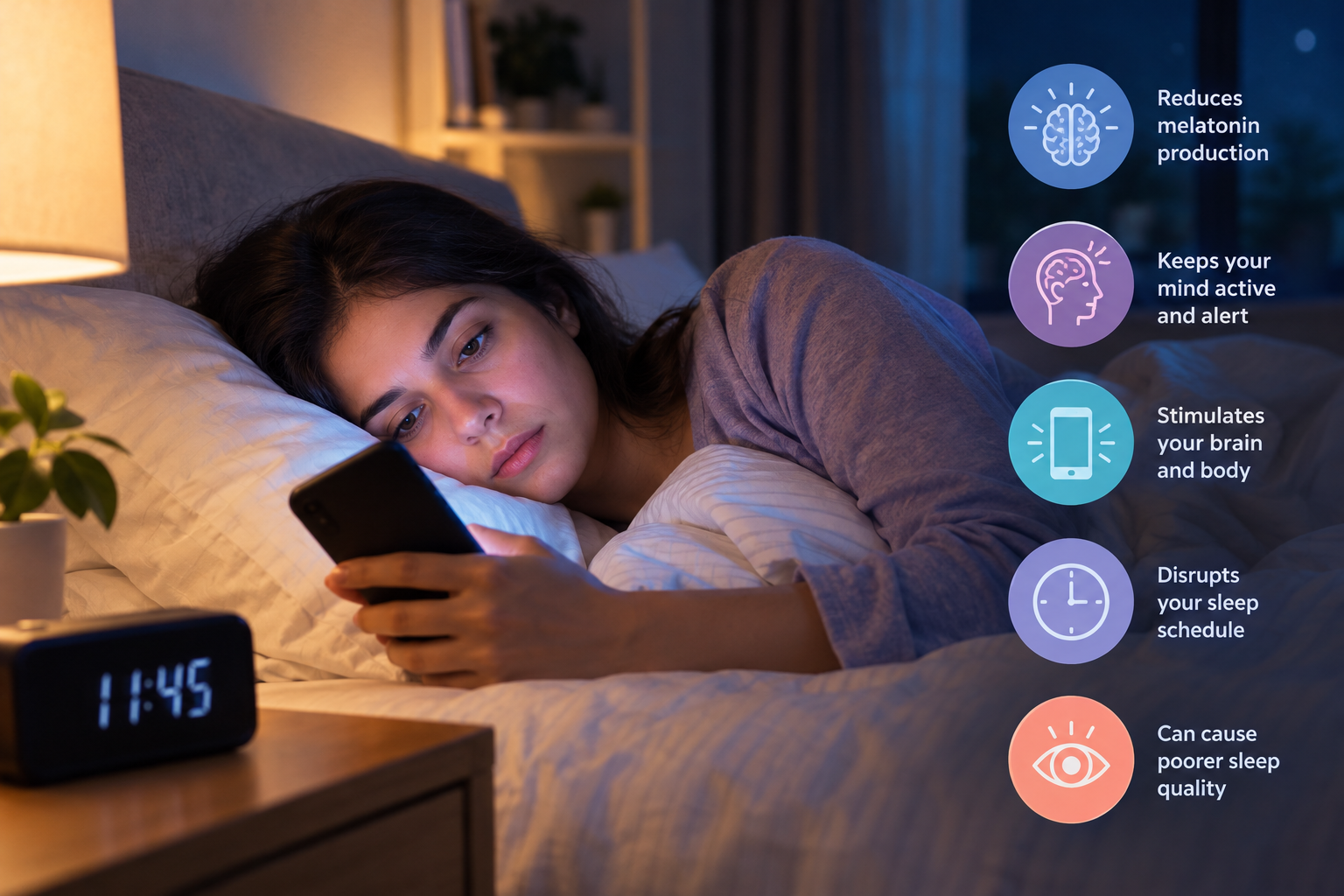
In today’s digital world, screens have become an essential part of everyday life. Smartphones, laptops, tablets, televisions, and other digital devices help us work, communicate, learn, and relax. However, spending too much time in front of screens, especially before bedtime, can negatively affect sleep quality.
Many people have developed the habit of scrolling through social media, watching videos, playing games, or replying to messages late at night. Although these activities may feel relaxing, they can make it harder to fall asleep, disrupt natural sleep patterns, and leave people feeling tired the following morning.
Sleep is essential for physical health, mental well-being, memory, concentration, and emotional balance. When screen use interferes with sleep, its effects can extend beyond nighttime and influence productivity, mood, and overall quality of life.
Understanding the connection between screen time and sleep quality can help people develop healthier digital habits. By making a few simple changes to daily routines, it is possible to enjoy technology while protecting the body’s natural sleep cycle.
1. Understanding the Connection Between Screen Time and Sleep
Screen time refers to the amount of time a person spends using digital devices such as smartphones, computers, tablets, and televisions.
Screen use does not automatically lead to poor sleep. Its effects depend on several factors, including how long someone uses a device, the type of content they consume, the brightness of the screen, and how close to bedtime they use it.
Using a smartphone during the day may have little impact on nighttime sleep for many people. However, using it late in the evening can interfere with the body’s natural preparation for rest.
The human body follows an internal biological clock known as the circadian rhythm. This rhythm helps regulate sleep and wakefulness throughout the day. Light exposure, physical activity, meal timing, and daily routines all influence this internal clock.
As evening approaches, the body normally begins preparing for sleep. Melatonin, a hormone that helps regulate the sleep-wake cycle, rises in response to darkness. Exposure to light from digital screens can interfere with this process, particularly when the light is bright or exposure occurs late at night.
In addition, engaging content can keep the brain mentally active when it should be winding down. Together, these factors may delay sleep and reduce the amount of rest a person receives.
2. How Blue Light Affects Melatonin Production
One of the most frequently discussed connections between screen time and sleep involves blue light.
Digital screens emit visible light that includes short-wavelength blue light. Blue light is also naturally present in daylight and plays an important role in helping the body maintain alertness during the day.
However, exposure to light in the evening can send signals to the brain that it is still daytime. This may suppress or delay the normal evening rise in melatonin, making it more difficult to feel sleepy at the expected time.
For example, someone who spends an hour scrolling through a bright smartphone screen in a dark bedroom may experience greater difficulty falling asleep than someone who spends that hour preparing for bed in dim lighting.
The effect varies from person to person. Screen brightness, viewing distance, exposure duration, and individual sensitivity all matter.
It is important to remember that blue light is not the only factor responsible for sleep problems. The time spent using a device and the mental stimulation caused by its content can also contribute.
Reducing screen brightness, enabling night mode, and dimming room lights during the evening may help reduce light exposure. However, these settings do not completely eliminate the potential effects of nighttime screen use.
3. Screen Time Can Delay Bedtime
One of the most common ways screen time affects sleep is by reducing the time available for rest.
Have you ever planned to check your phone for five minutes, only to discover that an hour has passed? This experience is common because digital platforms are designed to keep users engaged.
Social media feeds, short videos, online games, and streaming services encourage people to continue watching or interacting with content.
As a result, bedtime can gradually become later than intended.
For example, a person who usually goes to bed at 10:30 p.m. may continue watching videos until midnight. If they still need to wake up early for work or school, they may lose valuable sleep time.
This pattern is sometimes called bedtime procrastination. It occurs when people delay going to bed despite having the opportunity to sleep.
Consistently delaying bedtime can lead to insufficient sleep, daytime fatigue, reduced concentration, and irritability.
The solution is not necessarily to eliminate technology entirely. Instead, setting a specific time to stop using devices and establishing a consistent bedtime can help prevent nighttime screen use from taking over the evening.
4. Mental Stimulation Keeps the Brain Alert
The type of content viewed on a screen can influence how easily a person relaxes before sleep.
Watching an exciting movie, playing a competitive video game, reading stressful news, or participating in an intense online conversation can increase mental and emotional arousal.
When the brain is actively processing information, responding to challenges, or experiencing strong emotions, it may take longer to transition into a relaxed state.
Social media can be particularly stimulating because it constantly presents new information, opinions, photographs, and notifications. Users may also feel the need to respond immediately to messages or check whether someone has interacted with their posts.
Even content that appears entertaining can keep the mind occupied.
For example, someone who watches an emotionally intense video shortly before bed may continue thinking about it after putting the phone away. Similarly, checking work emails at night may trigger worries about unfinished tasks or the following day’s responsibilities.
A relaxing bedtime routine should help the mind gradually slow down. Replacing stimulating screen activities with reading a physical book, listening to calming music, gentle stretching, or practicing slow breathing may make it easier to prepare for sleep.
5. Screen Time May Reduce Sleep Quality
Sleep quality refers to how easily a person falls asleep, how well they remain asleep, and whether they feel refreshed after waking.
A person may spend eight hours in bed but still experience poor-quality sleep if they struggle to fall asleep, wake frequently, or maintain an irregular schedule.
Excessive nighttime screen use may contribute to these problems in several ways.
First, bright light and mental stimulation may delay the body’s readiness for sleep. Second, notifications, calls, and vibrations can interrupt sleep when devices are kept close to the bed. Third, late-night activities may cause people to sleep at inconsistent times.
Some people also develop the habit of checking their phones whenever they wake during the night. This can expose them to light and stimulating content, making it harder to return to sleep.
Poor sleep quality can leave people feeling unrefreshed, even when they believe they have spent enough time resting.
To improve sleep quality, it helps to maintain a predictable sleep schedule, keep the bedroom dark and quiet, and avoid using devices during nighttime awakenings.
6. The Impact of Screen Time on Children and Teenagers
Children and teenagers need sufficient sleep to support their growth, learning, emotional development, and overall health.
However, digital devices have become a major part of their education, entertainment, and social lives. Without appropriate boundaries, screen use can interfere with healthy sleep habits.
Children who watch videos or play games close to bedtime may find it difficult to settle down. Bright screens and exciting content can delay their transition to sleep.
Teenagers may face additional challenges because biological changes during adolescence naturally shift their preferred sleep timing later. School schedules, homework, social media, and online communication can make it difficult for them to get adequate rest.
Insufficient sleep may affect attention, memory, mood, classroom performance, and daytime alertness.
Parents can help by establishing consistent bedtime routines, encouraging device-free periods before sleep, and keeping phones and tablets out of children’s bedrooms overnight when practical.
For younger children, calm activities such as storytelling, drawing, or reading with a parent can create a comforting transition from daytime activities to sleep.
Teenagers should also be included in discussions about digital habits. Explaining the reasons behind screen limits and agreeing on realistic boundaries may be more effective than relying only on strict restrictions.
7. How Screen Time Affects Adults’ Mental Health and Productivity
Sleep and mental health are closely connected. Poor sleep can affect how people regulate emotions, manage stress, and respond to everyday challenges.
When adults regularly stay awake using digital devices, they may experience daytime tiredness, difficulty concentrating, lower motivation, and increased irritability.
For people who work on computers throughout the day, the problem can become more pronounced when work continues into the evening. Checking emails, responding to messages, or thinking about deadlines can make it difficult to mentally disconnect from professional responsibilities.
Social media can also contribute to emotional stress. Comparing personal achievements, appearance, or lifestyle with others may trigger negative feelings that interfere with relaxation.
Inadequate sleep can make emotional regulation more difficult, while stress can make it harder to sleep. This creates a cycle in which late-night screen use, stress, and poor sleep reinforce one another.
A healthier approach involves creating clear boundaries between work and personal time. Turning off work notifications after working hours, limiting stressful online activities at night, and reserving time for relaxing offline activities can support both sleep and emotional well-being.
8. Common Signs That Screen Time May Be Affecting Your Sleep
Screen-related sleep problems can develop gradually, making them difficult to recognize.
The following signs may indicate that nighttime digital habits are interfering with rest:
- Taking longer than usual to fall asleep.
- Frequently staying awake later than planned.
- Feeling tired or sleepy during the day.
- Finding it difficult to concentrate on work or studies.
- Waking up feeling unrefreshed.
- Checking a smartphone immediately after waking during the night.
- Experiencing an inconsistent bedtime and wake-up schedule.
- Feeling mentally alert despite being physically tired at bedtime.
These symptoms can also result from stress, caffeine consumption, medical conditions, medications, or other sleep disorders. Therefore, screen time should not automatically be assumed to be the cause.
Keeping a simple sleep diary for one or two weeks can help identify patterns. Record your bedtime, wake-up time, nighttime screen use, caffeine intake, and how rested you feel in the morning.
If sleep problems continue despite healthier habits, consider consulting a healthcare professional.
9. Practical Ways to Reduce the Effects of Screen Time on Sleep
Improving sleep does not require giving up smartphones or other digital devices completely. Small, consistent changes can make nighttime routines healthier.
Establish a Screen-Free Period Before Bed
Try stopping recreational screen use around 30–60 minutes before bedtime. This gives you time to relax without bright screens, notifications, or stimulating content.
If a full hour is difficult initially, begin with 15 minutes and gradually increase the period.
Follow a Consistent Sleep Schedule
Go to bed and wake up at approximately the same times every day, including weekends when possible.
A regular schedule helps reinforce the body’s circadian rhythm and makes it easier to develop predictable sleep patterns.
Most adults need at least seven hours of sleep per night, while teenagers generally need eight to ten hours and school-aged children typically need nine to twelve hours, depending on age.
Reduce Screen Brightness
Lower the brightness of your phone, tablet, or computer during evening use. Enable night mode or a warm-colour display setting if it makes the screen more comfortable.
Remember that these features are not substitutes for reducing late-night screen use.
Turn Off Unnecessary Notifications
Frequent alerts can encourage repeated phone checking and interrupt relaxation.
Use Do Not Disturb mode or scheduled Focus settings to silence nonessential notifications before bedtime. Allow important calls through if needed.
Keep Your Phone Away From the Bed
Place your phone on a desk or another surface away from your pillow. If possible, charge it outside the bedroom.
If you need an alarm, consider using a separate alarm clock. Keeping your phone out of immediate reach can reduce the temptation to scroll when you should be sleeping.
Create a Relaxing Bedtime Routine
Replace late-night scrolling with activities that help you feel calm.
Examples include:
- Reading a printed book.
- Taking a warm bath or shower.
- Listening to soft music or a calming audio recording.
- Practicing gentle stretching.
- Writing down tomorrow’s tasks.
- Trying slow, comfortable breathing exercises.
Choose activities that feel enjoyable and sustainable rather than treating bedtime as another task to complete.
Avoid Caffeine Late in the Day
Coffee, tea, energy drinks, and other caffeinated products can interfere with sleep, particularly when consumed in the afternoon or evening.
Because caffeine sensitivity varies, consider avoiding it for at least six hours before bedtime, or longer if you notice that it affects your sleep.
Get Natural Daylight During the Morning
Exposure to natural daylight after waking helps reinforce the body’s internal clock. Morning outdoor activity, such as walking or spending a little time in a garden, can support a healthier sleep-wake rhythm.
Regular physical activity can also improve sleep, although vigorous exercise immediately before bed may feel stimulating for some people.
Avoid Using Your Bed for Endless Scrolling
Whenever practical, reserve your bed for sleep and relaxation rather than work, gaming, or prolonged social media use.
If you cannot fall asleep after what feels like 20 minutes, consider getting out of bed and doing something quiet in dim lighting. Return when you feel sleepy.
Avoid repeatedly checking the time, as this can create additional pressure about falling asleep.
10. Do Blue-Light-Blocking Glasses and Night Mode Really Help?
Blue-light-blocking glasses and night-mode settings are popular solutions for people who use screens at night.
Night mode changes the colour temperature of a display, often making it appear warmer and less blue. Blue-light-blocking glasses are designed to filter some blue wavelengths.
These measures may reduce certain aspects of evening light exposure, but research has produced mixed results regarding their ability to improve sleep consistently.
They also do not address every factor involved in screen-related sleep problems. For example, a person may still delay bedtime while watching videos, become emotionally stimulated by online content, or wake up because of notifications.
Consequently, the most practical approach is to combine comfortable screen settings with reduced evening screen use, a regular sleep schedule, and a calming bedtime routine.
If you must use a computer for work in the evening, dim the display, use appropriate room lighting, take breaks, and stop when your work is finished whenever possible.
11. Can Watching Television Before Bed Affect Sleep?
Television can affect sleep for many of the same reasons as smartphones and tablets.
Watching an exciting series, viewing distressing news, or binge-watching multiple episodes can delay bedtime. Leaving a television on throughout the night may also expose sleepers to light and sound that disturb their rest.
However, the effect depends on the person, the content, the timing, and the viewing environment.
Some people find a familiar, quiet programme relaxing. Nevertheless, falling asleep with the television running may make the sleep environment less dark and quiet.
If you prefer watching television in the evening, consider choosing calm content, setting a sleep timer, and deciding in advance when you will stop watching.
Avoid keeping the television running all night if you notice that it causes awakenings or leaves you feeling tired in the morning.
12. Building a Healthy Relationship With Technology
Technology itself is not the enemy of good sleep. Digital devices provide educational opportunities, entertainment, social connection, and useful tools for everyday life.
The goal is to use technology intentionally rather than allowing it to control the timing of rest.
Start by observing your current habits. Notice how often you check your phone after getting into bed, which applications keep you engaged the longest, and whether you feel more rested after evenings with less screen time.
You can then make manageable changes.
For example, move social media applications away from your home screen, set an evening app limit, charge your phone outside the bedroom, or establish a household rule that recreational screens are put away before bedtime.
It may also help to create separate periods for digital entertainment and relaxation. Watching a favourite programme earlier in the evening can be more compatible with good sleep than watching it until you are already exhausted.
Consistency matters more than perfection. Occasionally using a screen late at night is unlikely to ruin your sleep permanently. The greater concern is a repeated pattern that reduces sleep duration or disrupts the body’s natural rhythm.
Conclusion
Screen time can affect sleep quality by exposing the body to evening light, delaying bedtime, stimulating the mind, and interrupting normal sleep routines. These effects can contribute to difficulty falling asleep, daytime tiredness, reduced concentration, and changes in mood.
The impact varies depending on the individual, the type of screen activity, and the amount and timing of exposure. However, reducing recreational screen use before bed is a practical step toward healthier sleep habits.
Simple strategies such as following a consistent sleep schedule, dimming screens, silencing notifications, keeping phones away from the bed, and developing a relaxing evening routine can make a meaningful difference.
Ultimately, healthy technology habits are about balance. By creating clear boundaries between screen time and sleep time, people can enjoy the benefits of digital devices without allowing them to interfere unnecessarily with their health and well-being.
A good night’s sleep begins with the choices we make throughout the day—and sometimes, the most helpful nighttime habit is simply putting the phone down.