Introduction
Stress is a natural part of life. Whether it comes from work responsibilities, family commitments, financial concerns, relationship difficulties, or unexpected changes, almost everyone experiences stress at some point. In small amounts, stress can help us stay alert, solve problems, and respond quickly to challenges. However, when stress becomes frequent or continues for a long time, it can affect both physical and mental health.
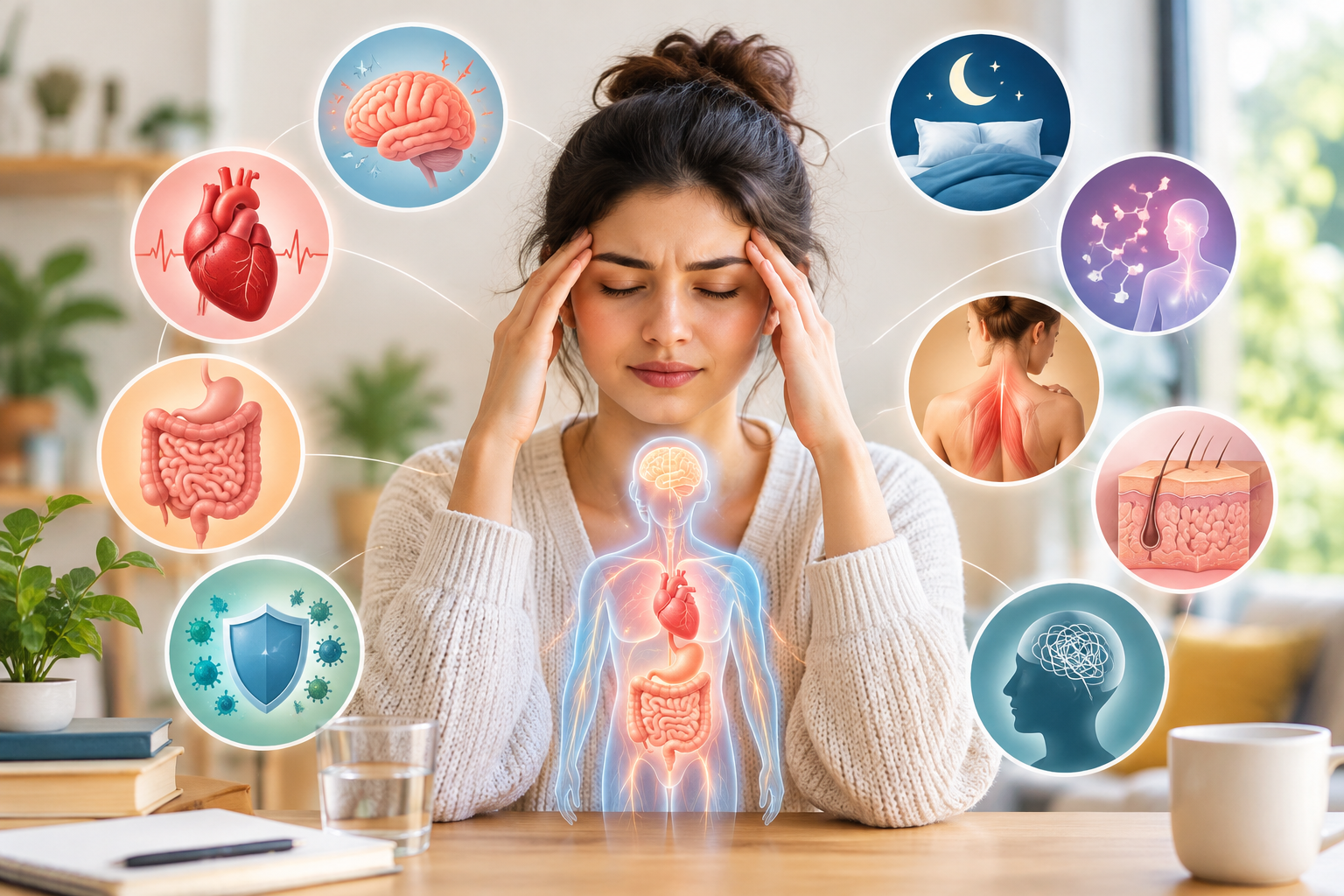
Many people associate stress primarily with emotions such as anxiety, frustration, or worry. Yet its effects extend far beyond how we feel. Stress can influence the heart, digestive system, immune response, muscles, sleep patterns, hormones, and even the skin. Sometimes, people experience physical symptoms without immediately realizing that stress may be contributing to them.
Understanding the connection between stress and the body is an important step toward protecting overall health. By learning how the stress response works, recognizing common warning signs, and developing healthy coping strategies, individuals can manage everyday pressures more effectively.
What Is Stress?
Stress is the body’s response to situations that require adjustment, attention, or action. It can be triggered by external circumstances, such as a demanding deadline, or internal experiences, such as worrying about the future.
When the brain perceives a challenge or threat, it activates a series of biological processes designed to prepare the body to respond. This reaction is often called the stress response.
Stress generally falls into two broad categories:
Acute stress: This is short-term stress that occurs in response to an immediate challenge. For example, feeling nervous before a presentation or reacting quickly to avoid an accident can trigger acute stress. Once the situation passes, the body usually returns to its normal state.
Chronic stress: This occurs when stressful situations persist or when a person repeatedly experiences stress without enough time to recover. Ongoing financial difficulties, prolonged work pressure, caregiving responsibilities, and continuing relationship problems may contribute to chronic stress.
Not all stress is harmful. A manageable amount can motivate people to take action and adapt to new situations. Problems are more likely to develop when stress becomes overwhelming, persistent, or difficult to control.
How Does Stress Affect the Body?
The stress response begins in the brain, which evaluates a situation and determines whether it requires a protective reaction. When a potential threat is detected, the brain communicates with the nervous system and hormonal systems to prepare the body for action.
Two major systems are involved.
The first is the sympathetic nervous system, which activates the body’s rapid fight-or-flight response. It stimulates the release of chemicals such as adrenaline and noradrenaline, increasing alertness, heart rate, and blood flow to muscles.
The second involves the hypothalamic-pituitary-adrenal (HPA) axis. This system helps regulate the release of cortisol, a hormone that supports the body’s response to stress. Cortisol influences blood sugar availability, metabolism, inflammation, and other essential functions.
These changes are useful during short-term challenges. For instance, increased alertness may help someone react quickly in an emergency. After the challenge passes, the body is designed to gradually return to its resting state.
However, when stress continues for extended periods, these systems may remain activated too frequently. The repeated demand for adjustment can contribute to a condition known as allostatic load, which refers to the cumulative wear and tear associated with prolonged stress and repeated physiological responses.
1. Stress and Heart Health
One of the most noticeable physical effects of stress involves the cardiovascular system.
During a stressful situation, the heart beats faster, blood pressure may rise, and blood vessels can change their level of constriction. These responses help deliver oxygen and energy to the parts of the body that need them.
Occasional increases in heart rate and blood pressure are normal. However, frequent or prolonged stress may contribute to unhealthy cardiovascular patterns, especially when combined with poor sleep, smoking, physical inactivity, or an unbalanced diet.
Chronic stress is associated with an increased risk of cardiovascular problems. It may influence blood pressure regulation, inflammatory processes, and behaviors that affect heart health.
Stress can also cause sensations such as a racing heartbeat or chest tightness. Although anxiety can contribute to these symptoms, they should not automatically be attributed to stress. New or severe chest pain, particularly when accompanied by breathlessness, sweating, faintness, or pain spreading to the arm or jaw, requires emergency medical attention.
Maintaining regular physical activity, sleeping adequately, and learning relaxation techniques can help support cardiovascular health while improving stress management.
2. Stress and the Digestive System
The digestive system is closely connected to the brain through the gut-brain axis, a communication network involving nerves, hormones, immune signals, and microorganisms living in the intestines.
When stress activates the body’s protective response, digestion may temporarily become less of a priority. Changes in gut movement, sensitivity, and digestive secretions can contribute to physical discomfort.
Common digestive symptoms associated with stress include:
- Stomach discomfort or cramping
- Bloating and gas
- Nausea
- Diarrhea or constipation
- Changes in appetite
- Worsening symptoms of conditions such as irritable bowel syndrome (IBS)
Stress can also influence eating habits. Some people lose their appetite when anxious, while others turn to food for comfort. These patterns may affect energy levels and digestive health over time.
Although stress can worsen digestive symptoms, it is not the only possible cause. Persistent abdominal pain, blood in the stool, unexplained weight loss, or ongoing changes in bowel habits should be evaluated by a healthcare professional.
Eating regular, balanced meals, drinking enough water, slowing down while eating, and identifying personal symptom triggers can help support digestion during stressful periods.
3. Stress and the Immune System
The immune system protects the body against infections and helps repair damaged tissues. Stress hormones influence immune activity, but their effects depend on the duration and intensity of the stress response.
Short-term stress can temporarily redistribute certain immune cells as part of the body’s preparation for a challenge. In contrast, chronic stress may disrupt the normal regulation of immune responses.
Prolonged stress has been associated with changes in inflammation and immune function. It may also affect health indirectly by interfering with sleep, nutrition, exercise, and adherence to medical treatment.
Some people notice that they feel run-down during particularly demanding periods. While stress may contribute to this experience, it does not mean that every illness or infection is caused by stress.
Supporting immune health requires consistent habits rather than relying on a single supplement or remedy. A varied diet, regular physical activity, sufficient sleep, recommended vaccinations, and appropriate medical care all play important roles.
4. Stress, Muscles, and Physical Pain
Have you ever noticed your shoulders tightening during a difficult conversation or your jaw clenching when you are worried? These are common examples of the body’s physical response to stress.
When the fight-or-flight system is activated, muscles may tense in preparation for action. This reaction can be helpful temporarily, but repeated muscle tension may lead to discomfort when the body does not get enough opportunities to relax.
Stress-related physical symptoms can include:
- Neck and shoulder stiffness
- Tension headaches
- Jaw clenching or teeth grinding
- Back discomfort
- General muscle aches
- Fatigue after prolonged tension
Stress can also influence how the brain processes pain. People experiencing high stress may become more sensitive to discomfort, while persistent pain can itself create additional stress. This can produce a cycle in which pain and emotional strain reinforce each other.
Gentle stretching, walking, relaxation exercises, regular movement breaks, and comfortable working posture may help reduce muscle tension.
If pain is severe, persistent, unexplained, or associated with other concerning symptoms, medical evaluation is important rather than assuming stress is responsible.
5. Stress and Sleep Quality
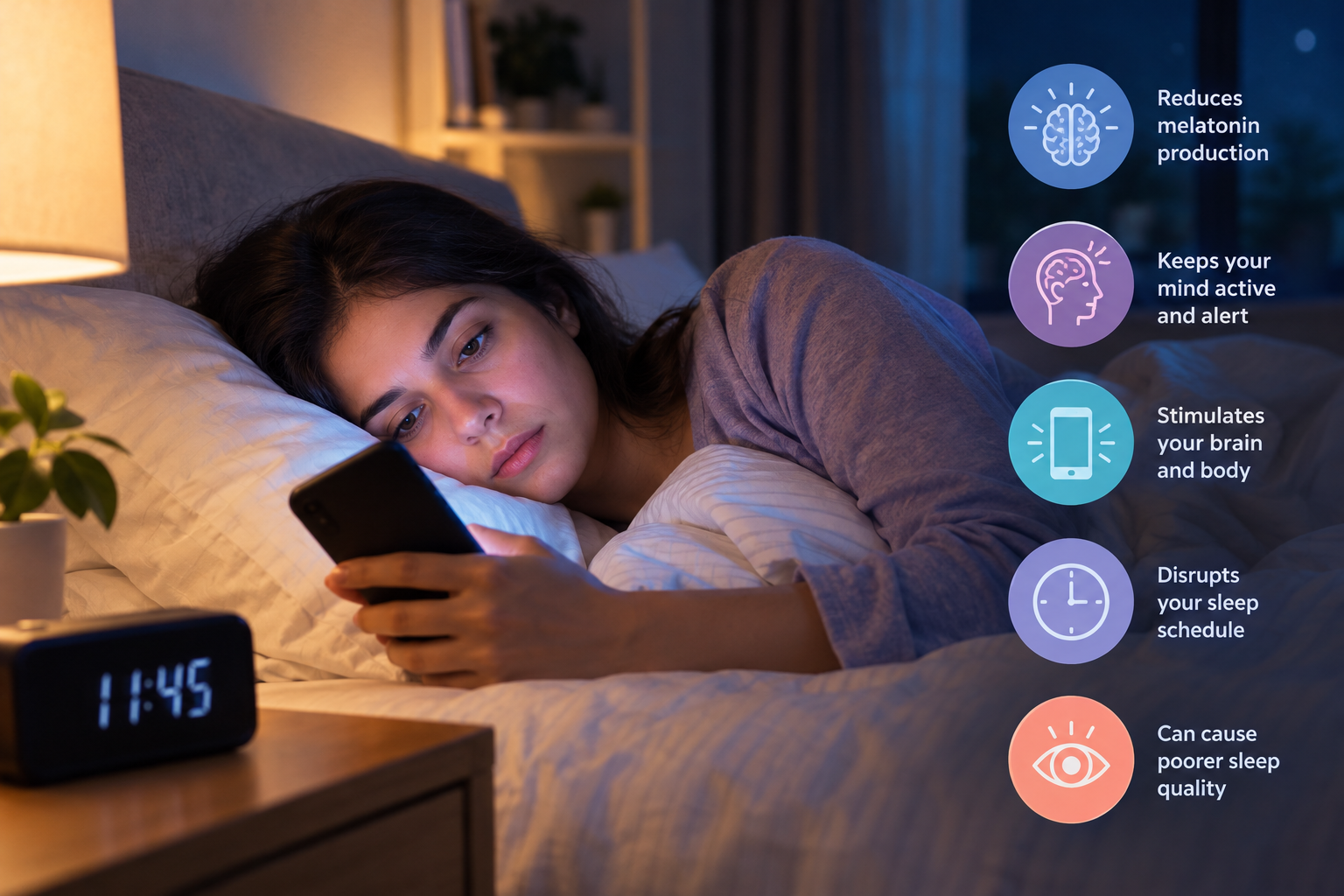
Sleep and stress influence each other in both directions. Stress can make it difficult to fall asleep, stay asleep, or feel refreshed in the morning. At the same time, inadequate sleep can make everyday challenges feel more difficult to manage.
During periods of stress, the mind may remain occupied with unfinished tasks, difficult conversations, or worries about future events. Increased alertness and changes in stress hormones can also interfere with the body’s normal transition into sleep.
Poor sleep can affect concentration, memory, emotional regulation, appetite, and energy levels. Over time, insufficient sleep may make it harder to cope with stress effectively.
A healthy sleep routine can help interrupt this cycle. Going to bed and waking up at consistent times, reducing stimulating activities before bedtime, limiting late-day caffeine, and creating a comfortable sleeping environment are useful starting points.
A short wind-down routine may include reading, gentle stretching, slow breathing, or writing down the next day’s tasks to reduce the feeling that everything must be remembered overnight.
Adults generally benefit from at least seven hours of sleep per night, although individual needs vary. Persistent insomnia or significant daytime sleepiness deserves professional attention.
6. Stress, Hormones, and Metabolism
Hormones help regulate numerous body functions, including energy use, appetite, reproduction, growth, and sleep. Because stress affects hormonal signaling, prolonged stress may influence several of these processes.
Cortisol helps the body make energy available during challenging situations. When its release is repeatedly stimulated, it can affect glucose regulation and interact with other metabolic processes.
Stress may also change eating behaviors. Some people crave highly palatable foods when distressed, while others eat less than usual. Combined with poor sleep and reduced physical activity, these changes may contribute to weight fluctuations over time.
Stress can also influence reproductive health. Severe or prolonged stress may contribute to changes in menstrual regularity in some people, although pregnancy, thyroid conditions, medication effects, and other health issues can also affect menstrual cycles.
It is important not to assume that stress is the sole explanation for unexplained weight changes, persistent fatigue, or menstrual irregularities. These symptoms may require medical assessment.
Regular meals, balanced nutrition, movement, adequate rest, and realistic daily expectations can help support metabolic and hormonal health.
7. Stress and Skin Health
The skin is another part of the body that may respond to prolonged stress. Communication between the nervous system, immune system, and skin can influence inflammation, sensitivity, and the skin’s protective barrier.
Some people notice that their skin becomes more reactive during stressful periods. Stress may worsen certain existing conditions, including acne, eczema, psoriasis, and some forms of itching.
Stress may also contribute indirectly to skin concerns by disrupting sleep, encouraging skin picking, or making consistent skincare routines more difficult.
However, stress does not cause every skin problem, and changes in the skin can have many explanations.
A simple skincare routine, regular sleep, gentle cleansing, and avoiding the temptation to repeatedly touch or pick at irritated skin may help. Persistent, painful, spreading, or unexplained skin symptoms should be assessed by a qualified healthcare professional.
8. Stress and Mental Health
The relationship between stress and mental health is especially important because emotional and physical responses often occur together.
Stress may cause irritability, restlessness, difficulty concentrating, excessive worrying, reduced motivation, or a feeling of being overwhelmed. Some people withdraw from social activities, while others find it difficult to switch off from work or family responsibilities.
When stress persists, it can contribute to or worsen anxiety and depressive symptoms in susceptible individuals. It can also make existing mental health difficulties harder to manage.
The connection works in both directions: emotional distress can produce physical symptoms, and ongoing physical discomfort can increase emotional strain.
Recognizing these patterns is not a sign of weakness. Stress is a biological and psychological response, and people can learn skills that improve how they respond to it.
When distress affects everyday functioning, relationships, work, or sleep for an extended period, speaking with a mental health professional can be beneficial.
9. Signs That Stress May Be Affecting Your Body
Stress does not look the same for everyone. Some people experience obvious anxiety, while others mainly notice physical changes or shifts in behavior.
Common warning signs include:
- Frequent headaches or muscle tension
- Difficulty falling asleep or waking repeatedly
- Digestive discomfort without an obvious trigger
- Unusual tiredness or low energy
- Changes in appetite
- Irritability or feeling emotionally overwhelmed
- Difficulty concentrating or making decisions
- Withdrawing from friends and family
- Increased reliance on caffeine, alcohol, or other substances to cope
Experiencing one or more of these signs does not automatically mean stress is the cause. However, noticing a pattern can help you decide when to adjust your routine or seek professional support.
10. Practical Ways to Reduce Stress and Support Your Body
Managing stress does not always require major lifestyle changes. Small, consistent actions can help the nervous system recover and improve the body’s ability to cope with everyday demands.
Practice slow breathing
Slow, comfortable breathing may help reduce physiological arousal. Try breathing gently through your nose for about four seconds and breathing out for about six seconds, if comfortable. Continue for one to three minutes without forcing deep breaths. Stop if you feel dizzy or uncomfortable.
Make physical activity part of your routine
Walking, cycling, dancing, swimming, or gentle yoga can improve mood and support physical health. Even a short walk may provide a useful break from ongoing worries. Choose an activity that suits your fitness level and health needs.
Protect your sleep
Maintain a reasonably consistent sleep schedule and create time to unwind before bed. Avoid trying to solve every problem late at night. Writing down worries and identifying one practical next step may help make concerns feel more manageable.
Eat regular, balanced meals
Include a variety of vegetables, fruits, whole grains, protein-rich foods, and healthy fats. Drink enough water throughout the day. Try to notice whether skipped meals or excessive caffeine make you feel more tense or uncomfortable.
Take meaningful breaks
Continuous work without rest can make stress harder to manage. Short breaks, time outdoors, hobbies, and moments away from screens can create opportunities for recovery.
Set realistic boundaries
You do not have to accept every request or complete every task immediately. Prioritize what is essential, break large responsibilities into smaller steps, and communicate your limits respectfully.
Stay connected with supportive people
Talking with a trusted friend, relative, partner, or counselor can help reduce feelings of isolation. You do not always need someone to solve the problem; sometimes being heard is valuable in itself.
Consider professional support
If stress feels unmanageable, persists for weeks, or affects physical health and everyday functioning, a healthcare professional or qualified mental health practitioner can help identify contributing factors and discuss appropriate treatment options.
When Should You Seek Medical Help?
Stress management is valuable, but it should not replace medical assessment when symptoms may indicate another condition.
Seek professional advice for persistent digestive problems, unexplained weight changes, ongoing sleep difficulties, repeated palpitations, or physical symptoms that interfere with daily activities.
Seek emergency care for severe or new chest pain, significant breathing difficulty, fainting, or other sudden, serious symptoms. If stress is accompanied by thoughts of self-harm or suicide, seek immediate support from local emergency services or a crisis service.
A healthcare professional can help distinguish stress-related symptoms from other medical conditions and recommend suitable care.
Conclusion
Stress and the body are closely connected. The brain, nervous system, hormones, heart, digestive tract, immune system, muscles, and skin all participate in the body’s response to challenging situations. While short-term stress can help us respond to immediate demands, persistent stress may contribute to physical discomfort, sleep disturbances, changes in eating habits, and difficulties with emotional well-being.
The goal is not to eliminate stress completely, because some stress is an unavoidable part of life. Instead, the goal is to recognize its effects, allow adequate time for recovery, and develop practical ways to manage it.
Regular movement, balanced nutrition, sufficient sleep, supportive relationships, relaxation techniques, and realistic boundaries can make a meaningful difference. When symptoms persist or become difficult to manage, professional support is an important part of caring for both physical and mental health.
Ultimately, understanding the connection between stress and the body helps us respond to warning signs earlier and build healthier routines. Taking care of your mental well-being is not separate from taking care of your physical health—it is an essential part of it.